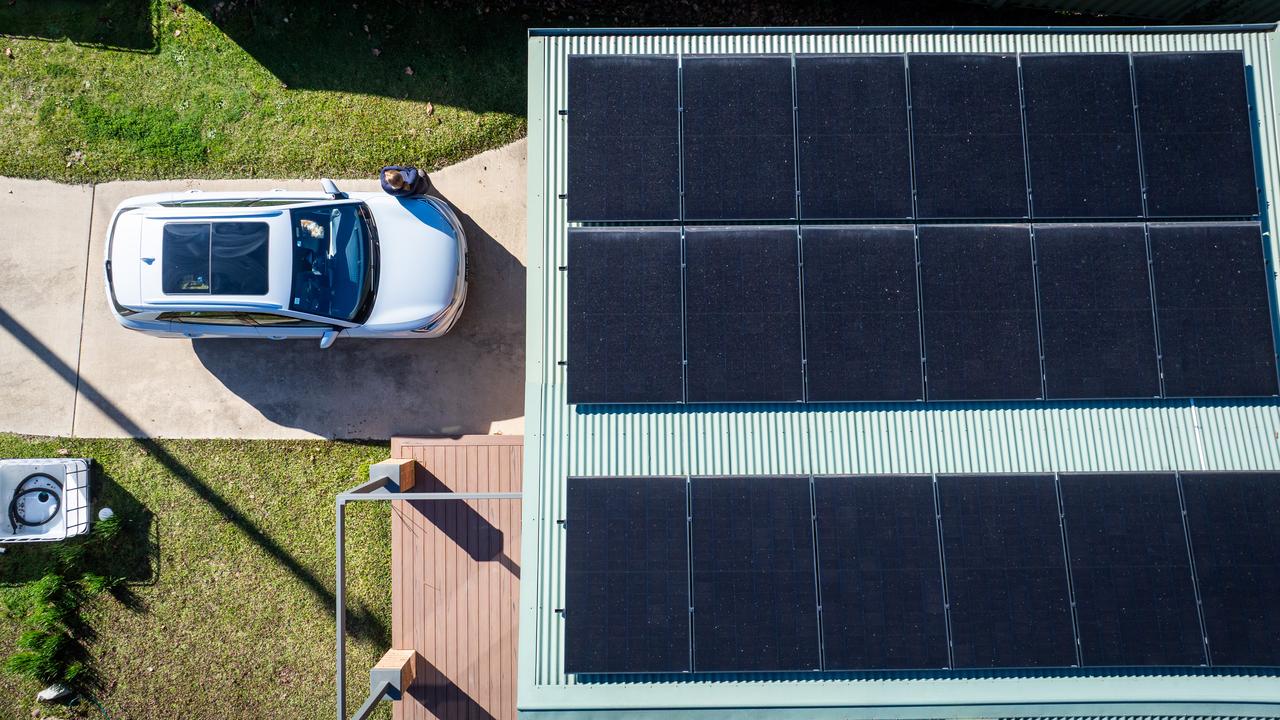
Home batteries and solar panels are slashing energy bills but the consumer watchdog warns the benefits could be blunted if complaints go neglected.
Complaints have surged 107 per cent in the first quarter of 2026 compared to the same time period in 2025, coinciding with the uber-successful federal home battery scheme.
More than 400,000 batteries have been installed since the generous rebates become available, helping to lower bills and buttress the electricity grid through times of peak evening demand.
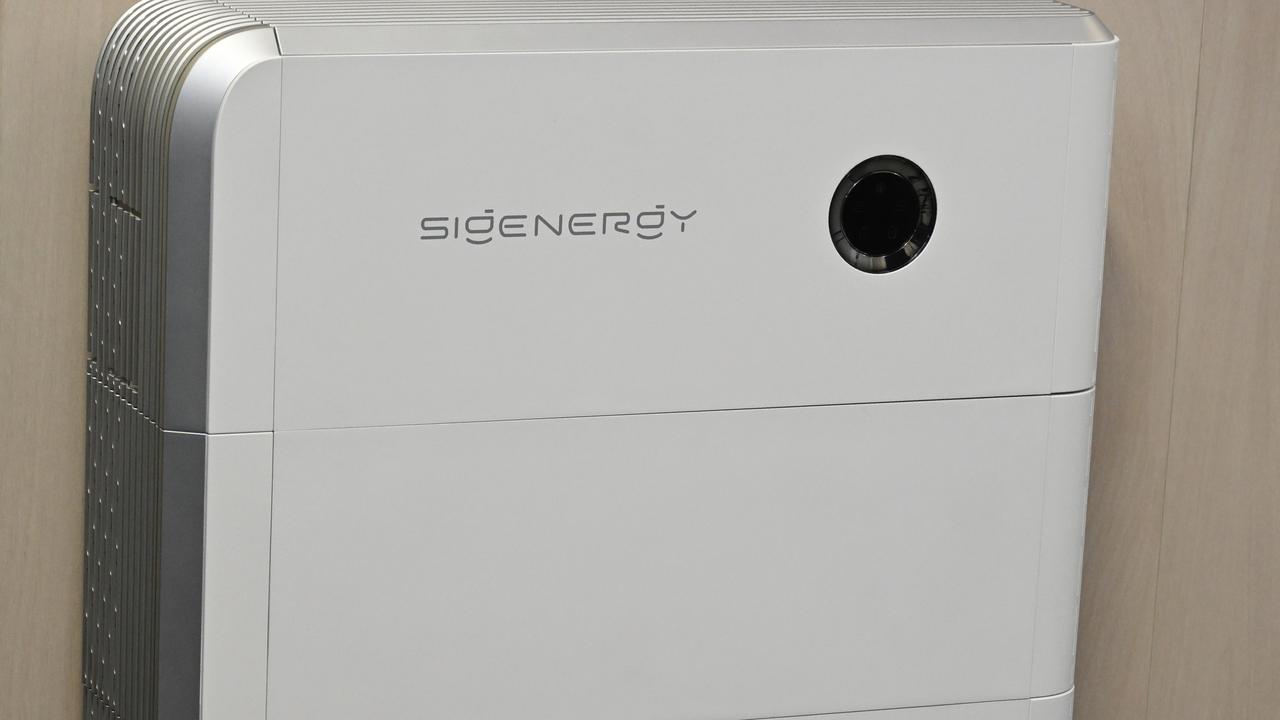
Yet the explosion in installations has been accompanied by a host of grievances, according to an Australian Competition and Consumer Commission review, including performance issues.
Misleading or incomplete advice – including recommendations for oversized systems – and long delays after pocketing deposits were common gripes lodged with ombudsman, fair trading offices and other bodies.
Complaints related to both standalone battery installs and virtual power plant plans.
The latter allow operators to link up multiple storage systems to inject electricity into the grid at times of disturbance or supply-demand mismatch, and typically delivers the biggest financial savings.
Compared to regular customers relying on grid electricity only, median bills were $762 -$1,093 lower for customers with virtual power plant plans.
Customers with battery and solar systems but not connected to a coordinating plan paid between $329 and $909 less than typical customers.
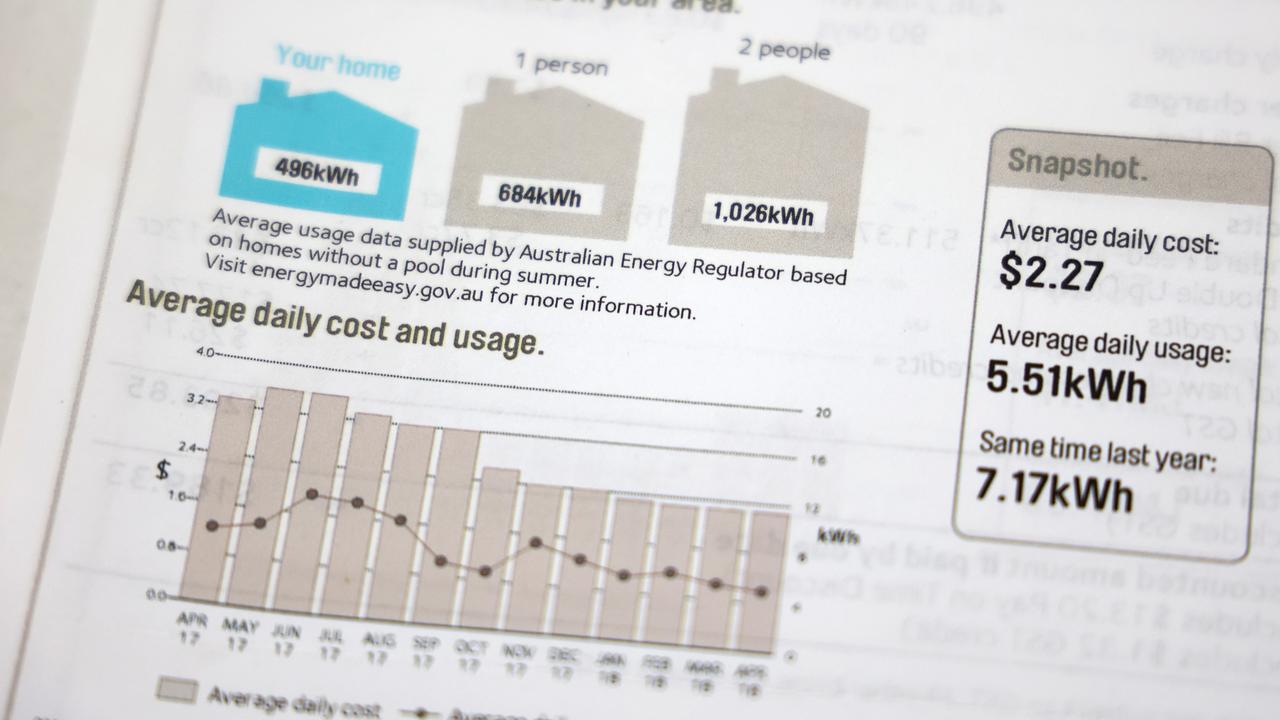
Greater uptake of virtual power plants is also linked to lower bills for all electricity customers as it leads to greater efficiencies across the network and less spending on poles and wires.
Despite the benefits, participation is lagging behind battery and solar installs.
Trust could be weighing on uptake, the watchdog says, with customers reporting a range of issues.
Batteries only compatible with some virtual power plant products can limit opportunities to switch, for example.
Operators also have “significant discretion” on how participating batteries can be used, with customers bearing most of the risk.
“When customers join a virtual power plant, they hand over control of their battery to an operator and are rewarded for its use to support the broader system,” ACCC commissioner Anna Brakey said.
“It is important customers understand this when signing up to participate in a virtual power plant.”
The ACCC recommended an overarching duty to shift the onus on to energy providers to deliver benefits to customers, among other bolstered protections.
“As more Australians invest in batteries and participate in virtual power plants, it’s critical that consumer protections keep pace,” Ms Brakey said.
“Consumers should be able to easily compare offers, switch providers, and fix issues if things go wrong, but gaps in the current suite of consumer protections are preventing people from being able to do so.”

Australian Associated Press is the beating heart of Australian news. AAP is Australia’s only independent national newswire and has been delivering accurate, reliable and fast news content to the media industry, government and corporate sector for 85 years. We keep Australia informed.