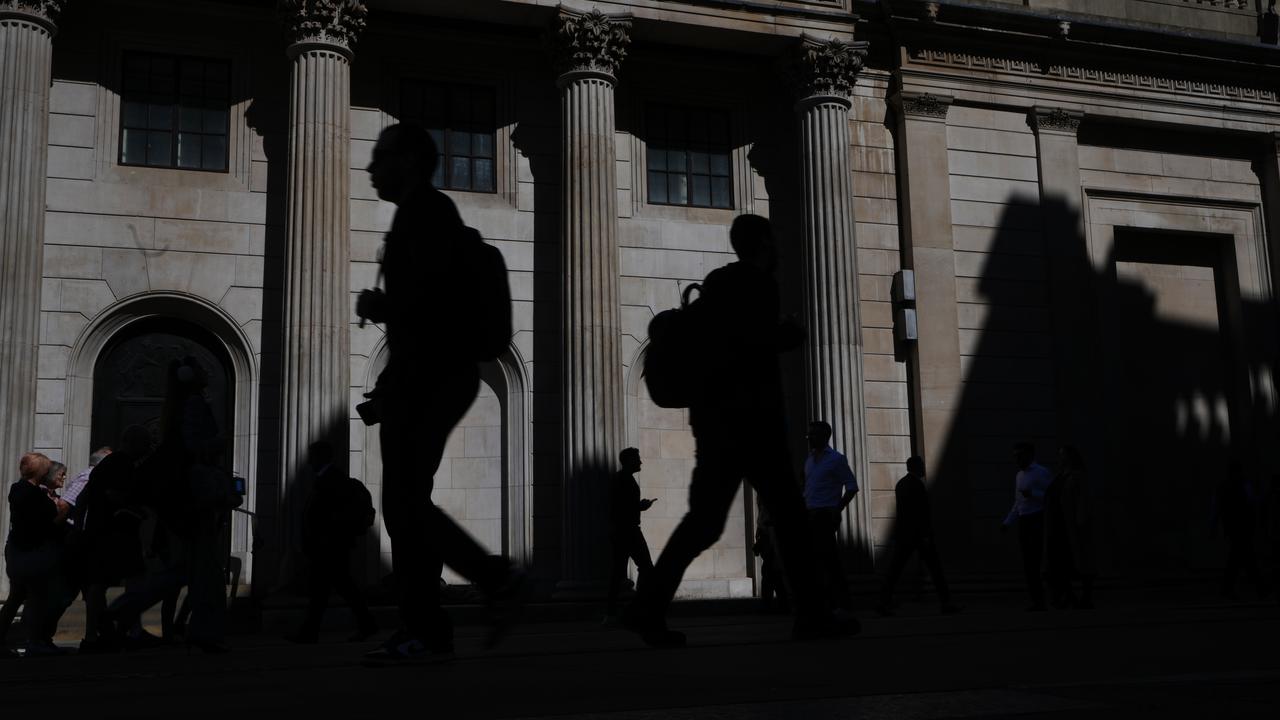
The Bank of England has kept its main interest rate on hold at 3.75 per cent Thursday as policymakers assess the economic impact of the Iran war and Tehran’s effective closure of the Strait of Hormuz, through which a fifth of the world’s crude passes.
The decision on Thursday was widely expected and echoes the decision of the US Federal Reserve on Wednesday to keep rates unchanged.
It was the same theme in Japan on Tuesday.
Minutes from the meeting showed that eight of the nine rate-setters voted to keep rates on hold while one member opted for a quarter-point hike.
“We think this is a reasonable place given the situation of the economy and the unpredictability of events in the Middle East,” said bank governor Andrew Bailey.
“We’ll continue to monitor the situation and its impact on the UK economy very closely.
“Whatever happens, our job is to make sure that inflation gets back to the two per cent target after the initial impact of the war on energy prices has passed.”
Before the start of the Iran war on February 28, there had been an expectation in financial markets that the Bank of England would cut rates given that inflation was predicted to fall back towards its two per cent target.
The war has since upended the bank’s predictions and wider global economic forecasts as the price of oil and other costs have spiked sharply higher.

Australian Associated Press is the beating heart of Australian news. AAP is Australia’s only independent national newswire and has been delivering accurate, reliable and fast news content to the media industry, government and corporate sector for 85 years. We keep Australia informed.