
A dependency on migrant workers to keep Australia’s aged care sector afloat remains a “sleeper issue” that could leave older citizens vulnerable.
Migrant workers are the backbone of the domestic aged care workforce, Ageing Australia chief executive Tom Symondson told an industry event in Melbourne on Tuesday.
His peak body is calling on the federal government for new, permanent visa pathways to allow care worker to come to and stay in the nation.
Mr Symondson said more also needed to be done to attract and retain new and existing domestic aged care workers.

“The over-reliance on immigration is a real sleeper issue,” he told the Centre for Economic Development of Australia event.
“It’s going to bite us in five or 10 years when the rest of the world says we don’t want you to have our carers anymore, we need them here.”
Migrant workers make up a significant share of Australia’s aged care workforce, plugging gaps in a chronically understaffed sector.
The Australian Institute of Health and Welfare’s 2023 aged care provider survey found 17 per cent of nursing and personal care staff were temporary residents.
The United Workers Union, however, estimates migrant workers make up about 40 per cent of Australia’s overall aged care workforce.
While international workers are key to supporting aged care, relying too heavily on the cohort can expose the sector to risks posed by changing policy and global migration flows.
These risks were canvassed in the Department of the Prime Minister and Cabinet’s 2023 Draft National Strategy for the Care and Support Economy.
“Over-reliance on migrants in lower skill and lower-paid roles risks embedding low wages across the care and support economy,” it said.
“This would make attracting domestic workers more challenging.”
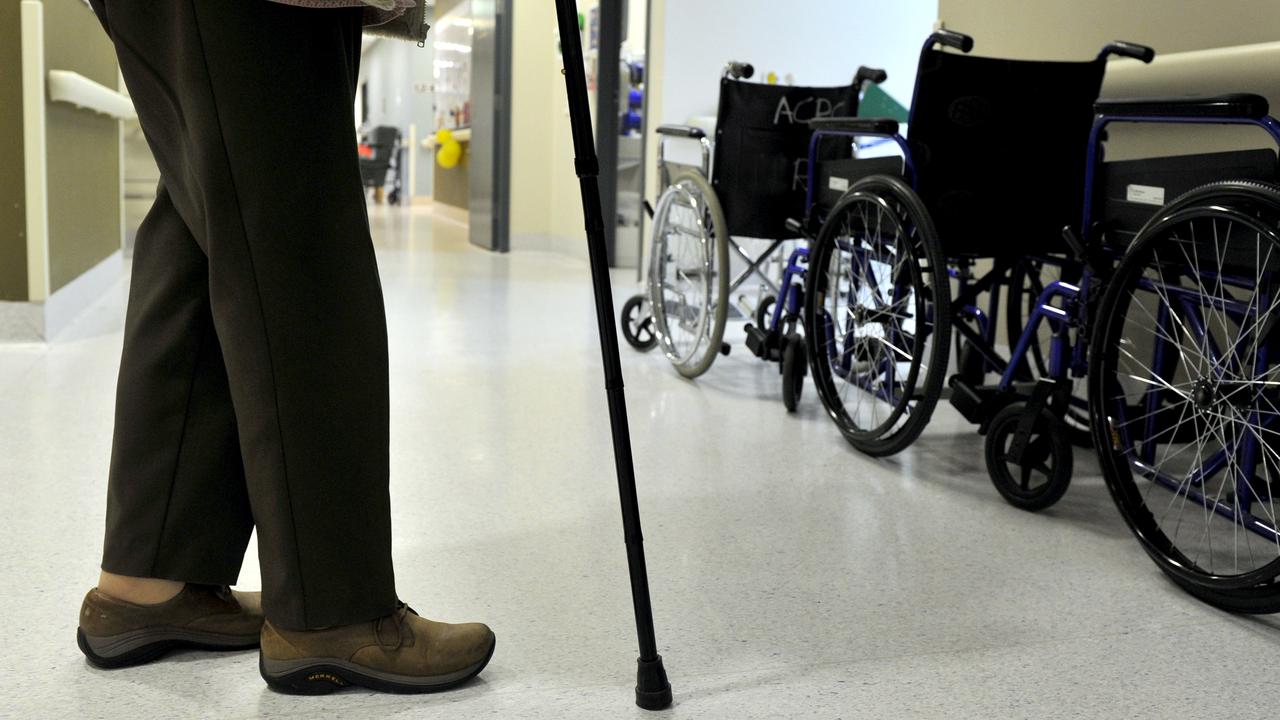
Demand for aged care workers is expected to continue increasing in line with the Australia’s growing ageing population.
According to CEDA’s State of Migration in Australia report, published in July, the aged care sector will need 400,000 extra workers by 2050.
It found the domestic workforce would be incapable of meeting that demand and claimed an essential skills visa for aged care occupations was needed to compliment existing migration pathways.
With pressure on federal policymakers to deal with the white-hot political issue of net migration, some fear the aged care sector may be left exposed.
“Decisions around capping some of the migration approaches is going to limit that workforce availability,” Monash University professor Libby Callaway told AAP.
“That needs to be really carefully thought through.”

Australian Associated Press is the beating heart of Australian news. AAP is Australia’s only independent national newswire and has been delivering accurate, reliable and fast news content to the media industry, government and corporate sector for 85 years. We keep Australia informed.