Australia’s productivity slump could be a distant memory in 10 years, if modelling on the impact of artificial intelligence is to be believed.
AI could deliver Australia’s economy a productivity boost of up to 2.4 per cent, potentially ending a decade of weak productivity growth responsible for the nation’s declining living standards, a report released by consultancy EY on Thursday showed.
That would result in a $116 billion increase to real GDP and an extra 44,000 jobs in the economy as the technology reshapes the labour market.
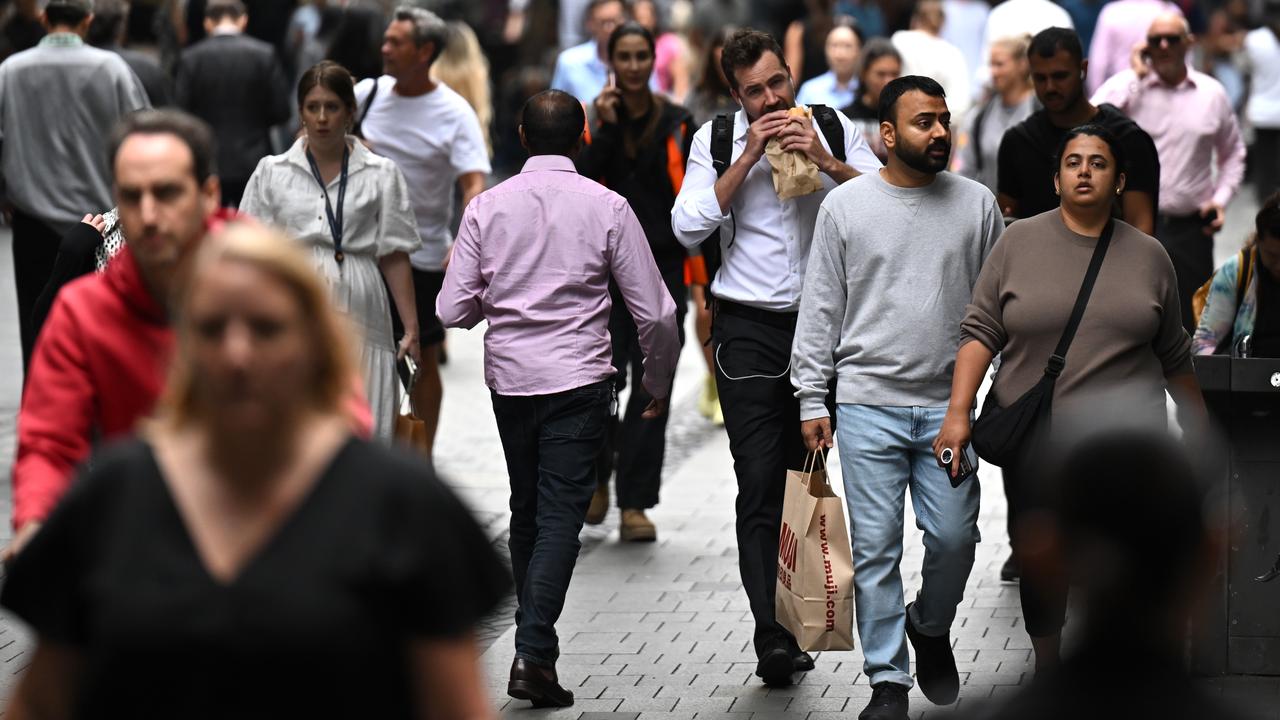
Labour productivity growth had averaged just 0.3 per cent a year in the past decade, which was why the potential uplift from AI mattered, EY’s regional chief economist Cherelle Murphy said.
Australia has suffered one of the biggest declines in living standards in the developed world in recent years, driven by real wages falling 5.1 per cent since March 2021, according to an OECD report in July.
But whether Australia can fully harness AI’s productivity potential depends on whether it gets the regulation right.
While businesses cautioned that greater regulation would limit AI adoption, more than 80 per cent of Australians wanted stronger rules on how organisations use AI, Ms Murphy told AAP.
“Once you’ve got those rules around AI, then you’re going to give users more confidence to use the technology,” she said.
“It’s sort of like putting an institutional framework around it, particularly around the safety issues, and then you will see people actually trust in the technology a little more.”
Despite community fears about widespread AI job losses, EY found that most industries would register a lift in employment as a result of productivity gains or stronger real wages boosting demand, although capital-intensive industries such as mining and agriculture could see a slight decline.
But the extent of the economic benefit would depend on how effectively firms can reskill the workforce.
Rather than replacing jobs entirely, AI was more likely to augment existing workers’ roles, Ms Murphy said.
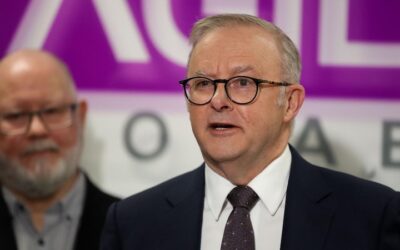
Prime Minister Anthony Albanese announced plans to introduce legal requirements governing AI use and data centres in a major speech in July.
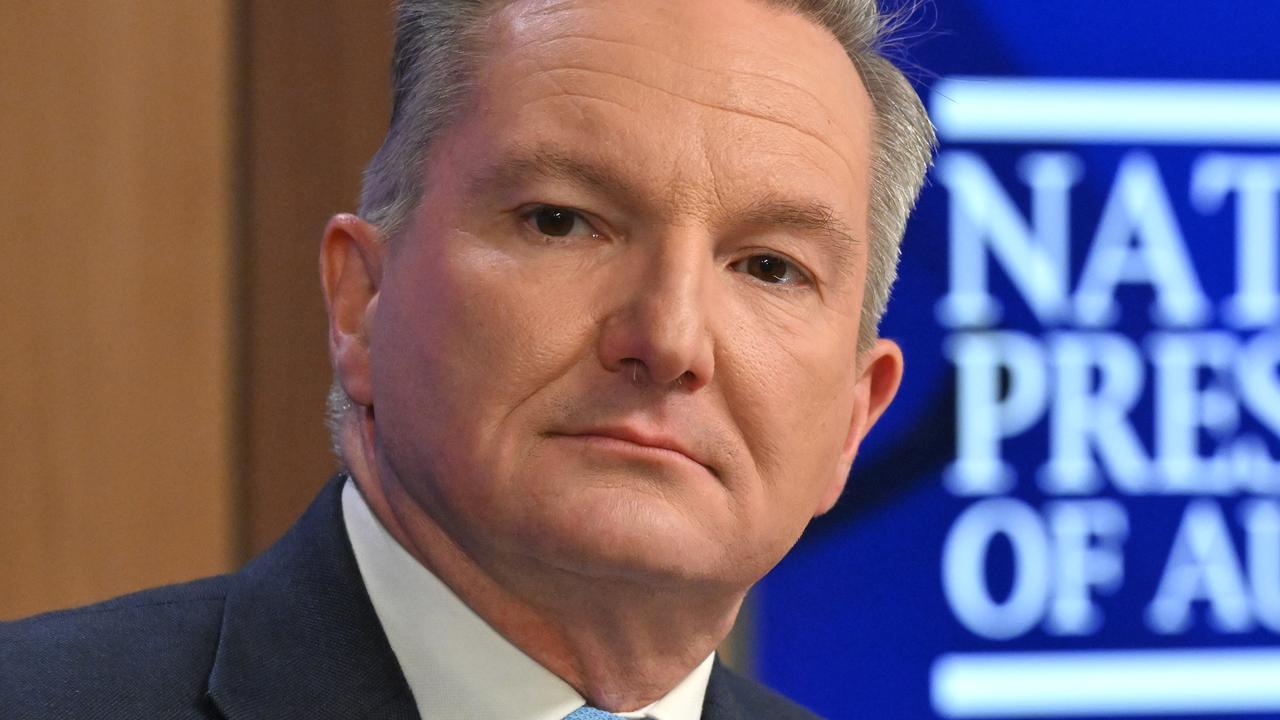
On Wednesday, Energy Minister Chris Bowen revealed data centres would have to underwrite new energy generation capacity through the renewable electricity guarantee of origin scheme to prove they were fully offsetting the power they used with renewable energy.
Data centres presented a further upside to the Australian economy beyond AI’s productivity gains because of the nation’s comparative advantage of renewable energy resources, Ms Murphy said.
Australia was already the top destination of data centre investment outside the US, but that investment risked being pushed elsewhere by lengthy approval times and slow upgrades to energy and water infrastructure.

Australian Associated Press is the beating heart of Australian news. AAP is Australia’s only independent national newswire and has been delivering accurate, reliable and fast news content to the media industry, government and corporate sector for 85 years. We keep Australia informed.