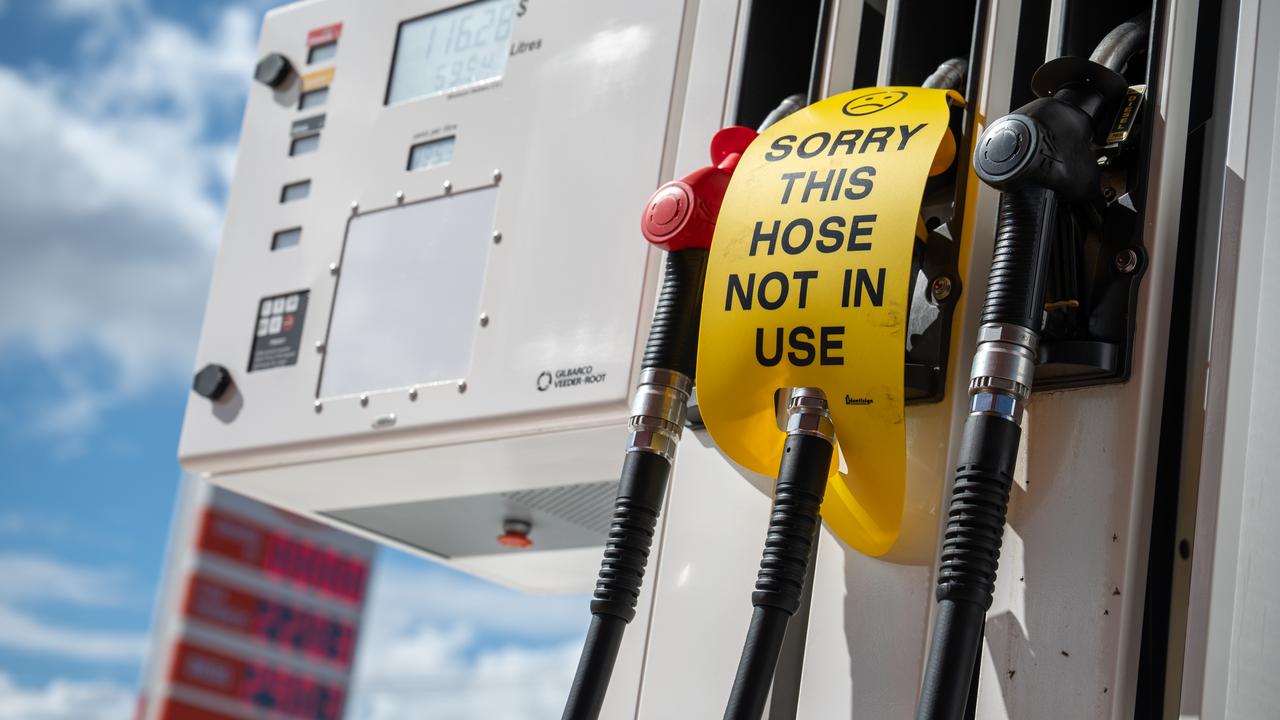
Oil markets are more vulnerable now than at the start of the Middle East conflict, Treasury has warned, amid expectations inflation is set to rise further.
In a briefing provided to Treasurer Jim Chalmers at the weekend, the department said the recent re-escalation in the conflict between the US and Iran meant oil prices were likely to stay elevated in the short term.
The global Brent crude oil benchmark retreated to near $US90 a barrel on Monday after advancing as high as $US100 in recent days – the highest level since May – following the breakdown of a memorandum of understanding over the Strait of Hormuz.
Oil prices could climb even higher if the status quo persists, Treasury said in its briefing.
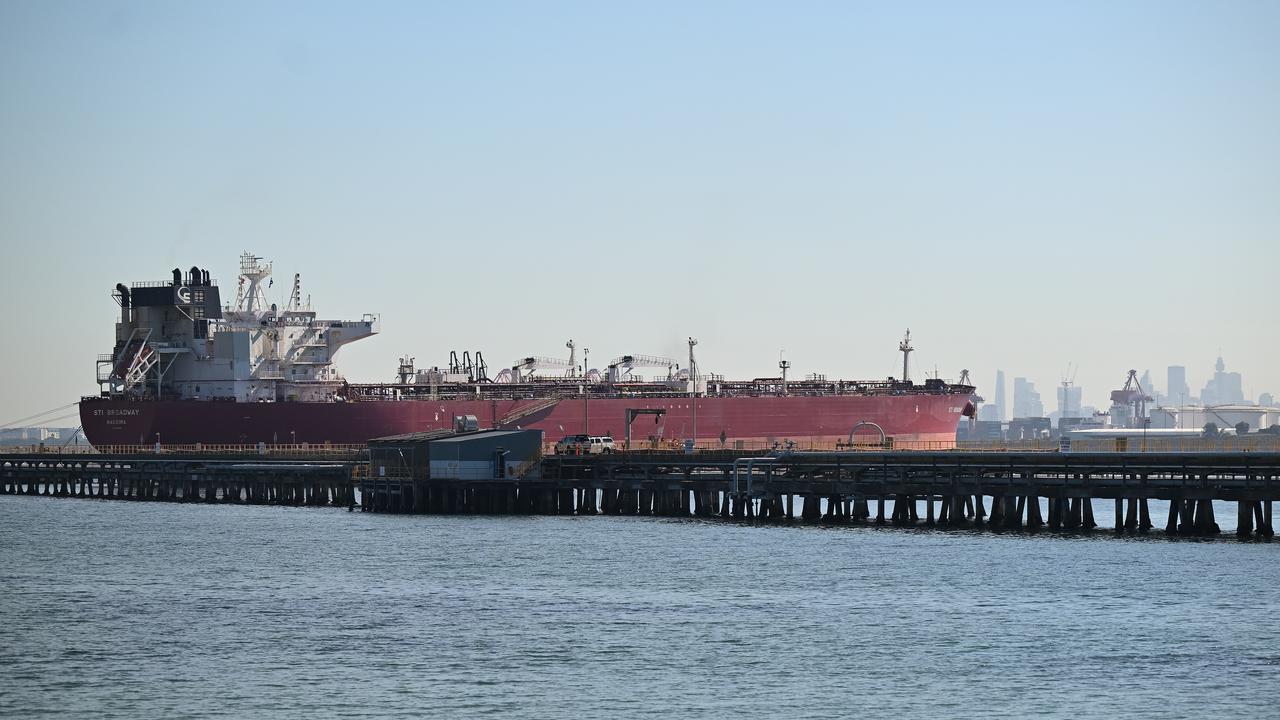
“The breakdown of the MoU has shown that the underlying dispute over control of the Strait of Hormuz remains unresolved, leaving the market exposed to repeated cycles of escalation and de-escalation,” it said.
While oil prices neared $US120 a barrel during the original outbreak of fighting, the current situation is arguably even more perilous.
Strategic reserves have already been significantly drawn down, reducing available oil and fuel buffers, while recent attacks by Iran-backed Houthi militias in the Red Sea threaten to shut down routes used to bypass Hormuz.
Speculation about land-based military action by the US would represent a “major escalation” in the conflict and potentially increase the duration and extent of the disruption.
“Compared to the pre-MoU disruptions, the current situation affects more Gulf output, placing additional pressure on inventories to meet supply shortfalls,” Treasury said.
In the May budget, Treasury included a worst-case scenario that showed what things could look like if the situation really deteriorated.
In the downside scenario, oil prices would peak at $US200 a barrel in the September quarter and inflation would peak at 7.25 per cent in the 12 months to December.
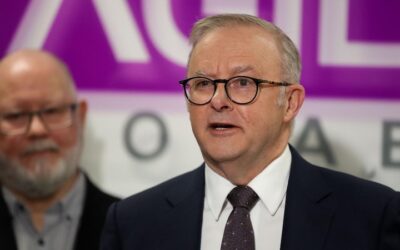
Dr Chalmers said the recent escalation in the conflict posed a “substantial threat to global inflation”.
“There is still so much uncertainty about this war and its ongoing costs and consequences,” he said in a statement.
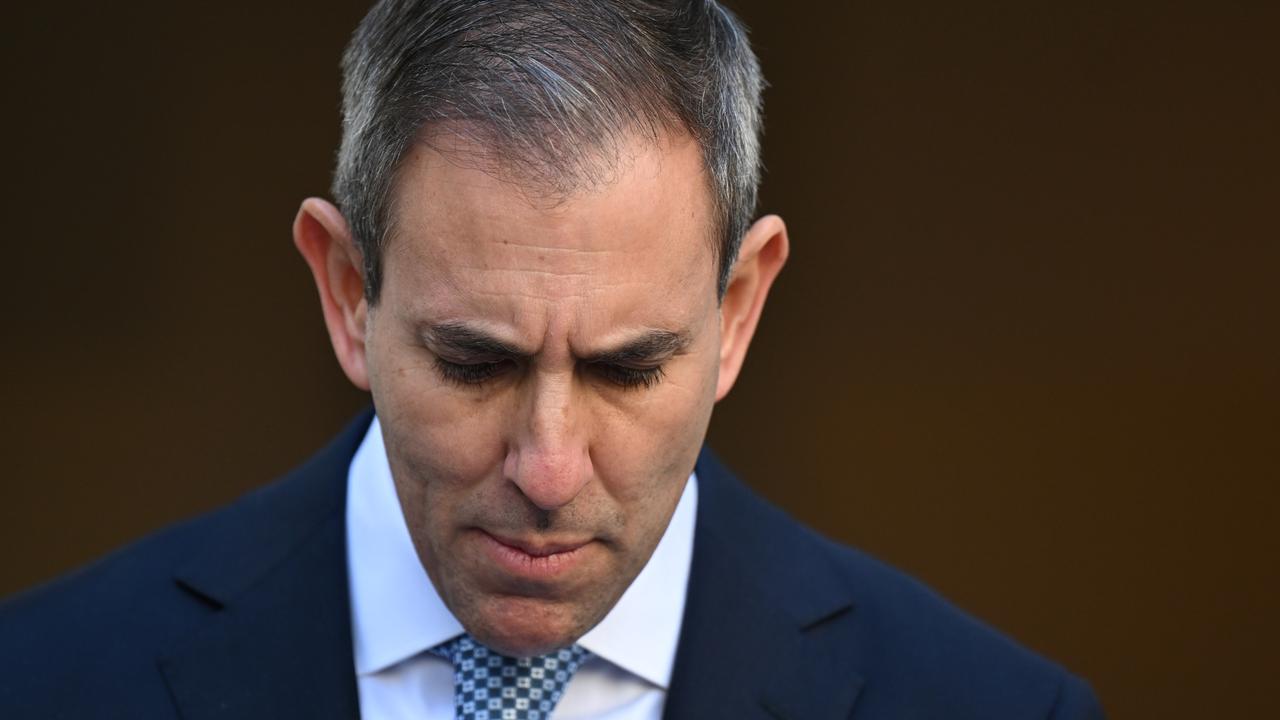
Headline inflation eased to four per cent annually in March, due in part to lower-than-expected oil prices and the government’s 32c a litre cut to the fuel excise.
But the trimmed mean, which the Reserve Bank pays more attention to, was still too high at 3.6 per cent, HSBC chief economist Paul Bloxham said.
The trimmed mean for the June quarter is expected to nudge even higher in figures to be released by the Australian Bureau of Statistics on Wednesday.
The Reserve Bank, which will hand down its next rates decision on August 11, could look at those numbers and decide that more tightening is needed to get inflation under control.
“The key questions are: is the growth downturn under way enough to believe that inflation is expected to head back to target soon; and will it be soon enough, given core inflation has been above target for four years already?” Mr Bloxham said.
“The first question is a tricky calibration exercise; the second is a judgment call about the RBA board’s level of patience.
“Both are uncertain.”

Australian Associated Press is the beating heart of Australian news. AAP is Australia’s only independent national newswire and has been delivering accurate, reliable and fast news content to the media industry, government and corporate sector for 85 years. We keep Australia informed.