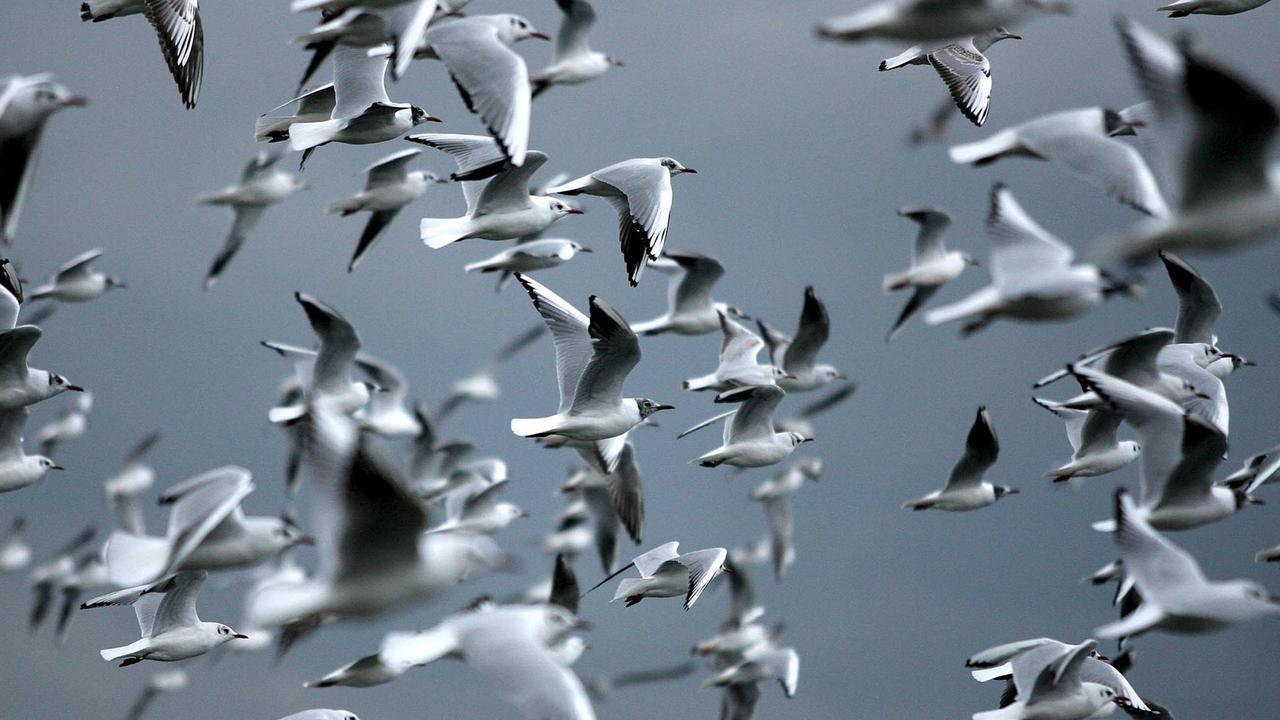
New Zealand has reported its first case of the highly pathogenic H5N1 bird flu in a migratory seabird found on a beach near Wellington.
The case in a brown skua seabird comes after the virus was detected in June in Australia, the last continent to report the virus.
The virulent H5 strain has spread through wild bird and mammal populations since 2021, killing millions and infecting poultry and dairy farms as well as some farm workers.
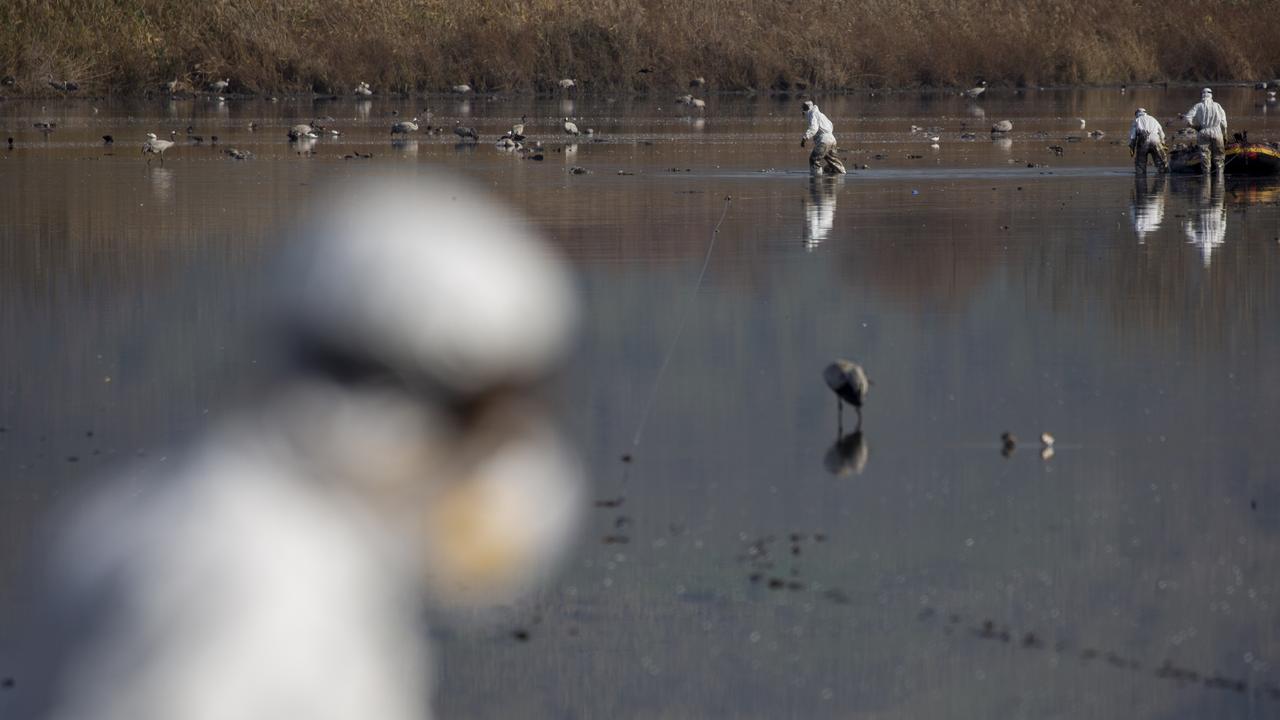
“There is no evidence of any mass mortality in wildlife or transmission between wild birds in New Zealand. There has been no detection in poultry,” Biosecurity Minister Andrew Hoggard said in a statement on Wednesday.
“H5 bird flu is a low health risk to the public as it rarely affects humans unless there is direct, close, and prolonged contact with large numbers of sick birds,” he said.
Eggs and poultry remained safe to eat.
New Zealand has been preparing for the arrival of H5N1, working with the poultry industry to develop biosecurity and resilience plans.
Hoggard said New Zealand may see a similar pattern to cases reported in Australia, where there have been 14 confirmed or presumed positive detections of H5 bird flu as of Wednesday.
Health officials have started a vaccination program for 300 core breeding birds from five of the country’s most endangered species, Hoggard said.
H5 was confirmed on Heard Island, a sub-Antarctic Australian territory, in late 2025.

Australian Associated Press is the beating heart of Australian news. AAP is Australia’s only independent national newswire and has been delivering accurate, reliable and fast news content to the media industry, government and corporate sector for 85 years. We keep Australia informed.