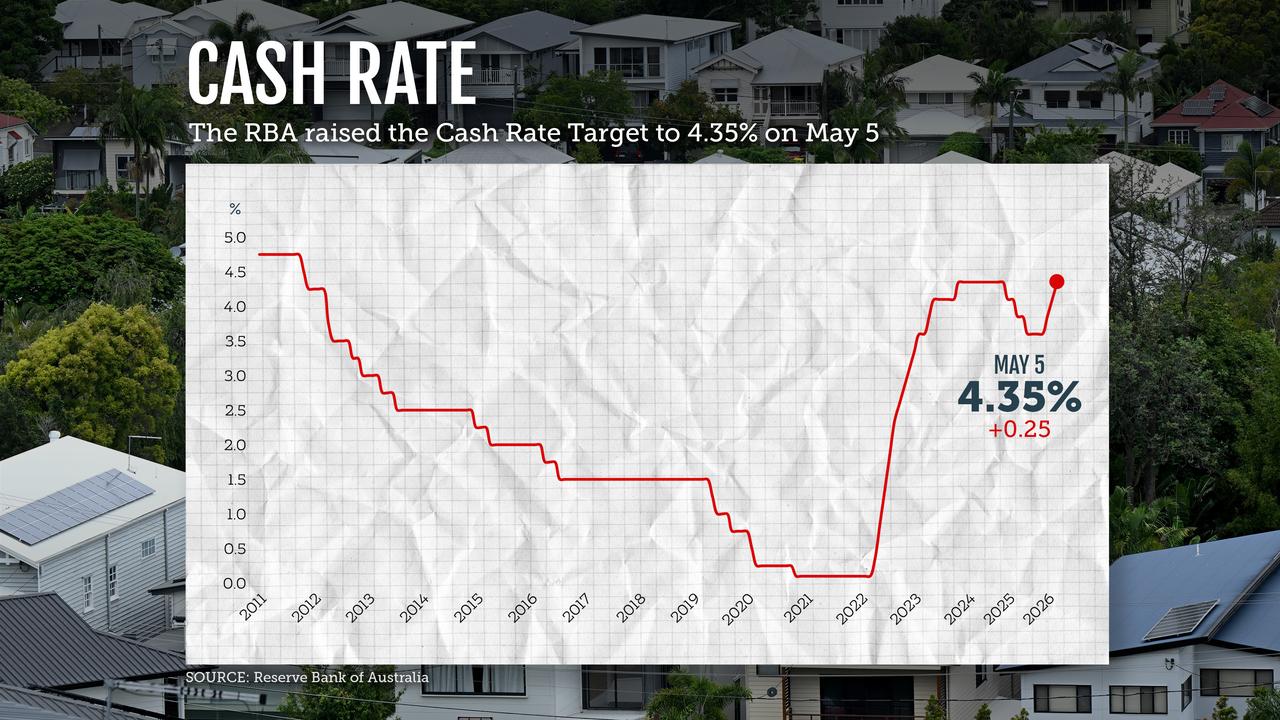
A lot is riding on upcoming inflation numbers as they help dictate the direction of the next interest rate decision.
If consumer price data comes in softer than expected on Wednesday, it could signal inflation is on track to undershoot the Reserve Bank’s forecast for June, potentially spelling an end to the central bank’s interest rate hiking cycle.
AMP chief economist Shane Oliver is tipping the Australian Bureau of Statistics to show headline inflation fell 0.4 per cent in May, mainly because of a 15 per cent fall in fuel prices.
But because of an even steeper decline in inflation a year earlier, the annual figure would still rise from 4.2 per cent to 4.3 per cent.
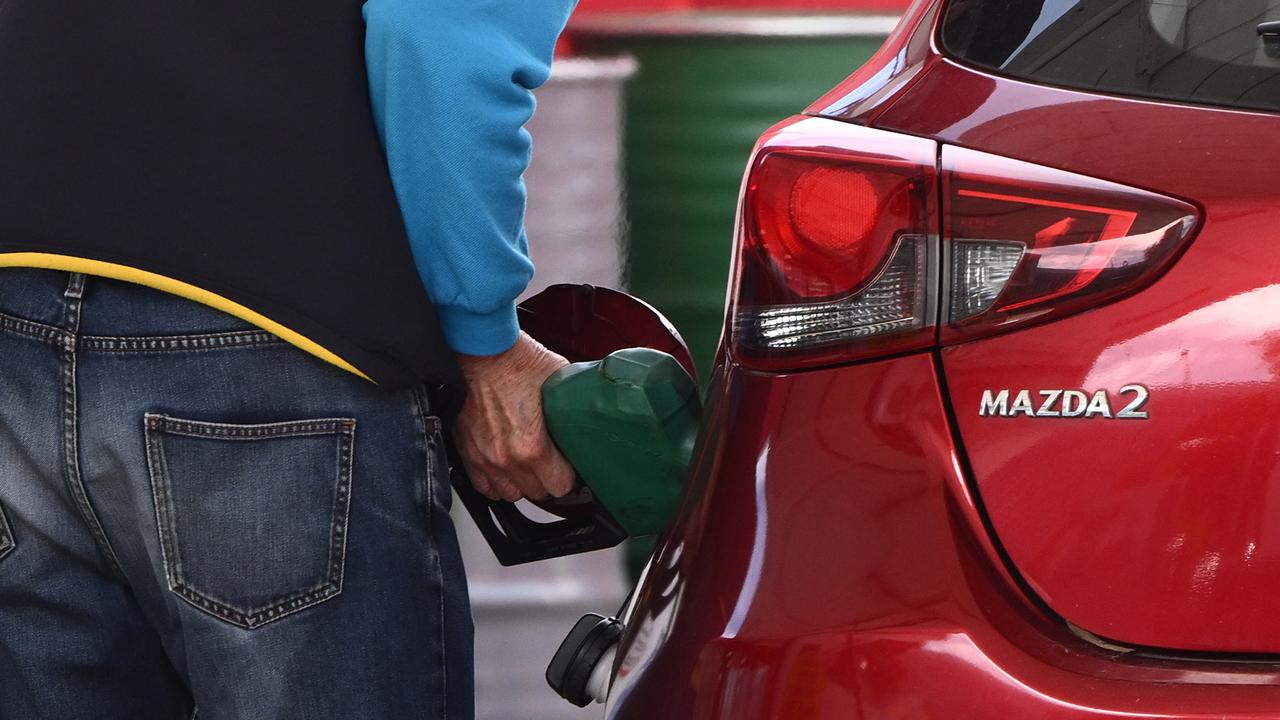
However, the RBA will pay closer attention to the trimmed mean, a measure of underlying inflation, which excludes volatile items such as petrol.
Dr Oliver expects the annual trimmed mean to rise from 3.4 to 3.5 per cent.
Even though fuel prices had come down since the initial oil spike, higher input costs were still being passed on by businesses, he said.
“You’re seeing the second-round effects from the March rise in oil prices, so the fuel levies flow on to various building materials and plastics and so on,” Dr Oliver told AAP.
The RBA will be keeping a close eye on housing costs, which are weighted heavily in the consumer price basket and will indicate how quickly businesses are passing on fuel costs.
The cost of building a new home is expected to keep rising strongly. NAB senior economist Taylor Nugent has pencilled in a monthly increase of 0.8 per cent.
Because fuel prices have fallen faster than expected by the RBA and most other forecasters, headline inflation was tracking comfortably below the central bank’s pick of a 4.8 per cent annual rise in the June quarter, Mr Nugent said.
But oil prices were still higher than February and underlying inflation was still on the way up.
The extent to which firms were passing on higher costs to consumers will be key.
If the trimmed mean came in below the consensus bet of 3.5 per cent annually for May, that could put downward pressure on the RBA’s June quarter forecast, Dr Oliver said.
“A lot is riding on the numbers out tomorrow because most forecasters, including ourselves, will then have two months worth of data, which gives you a fair stab at estimating how the trimmed mean will have behaved in the quarter as a whole,” he said.

Fuel prices are set to fall even further in June, given the benchmark Brent oil price has dipped to about $US77 a barrel after a shaky ceasefire between the US and Iran lifted hopes that the Strait of Hormuz will open up to more oil tankers.
But even as more ships sail through the vital waterway, its future remains uncertain and global supplies remain well below pre-war levels.
On top of this, the government’s fuel excise reduction will be halved to 16c a litre from July 1 before expiring at the start of August.
So even if the oil price stays at current levels throughout July, it will be almost entirely offset by the rise in the excise, Dr Oliver said.

Australian Associated Press is the beating heart of Australian news. AAP is Australia’s only independent national newswire and has been delivering accurate, reliable and fast news content to the media industry, government and corporate sector for 85 years. We keep Australia informed.