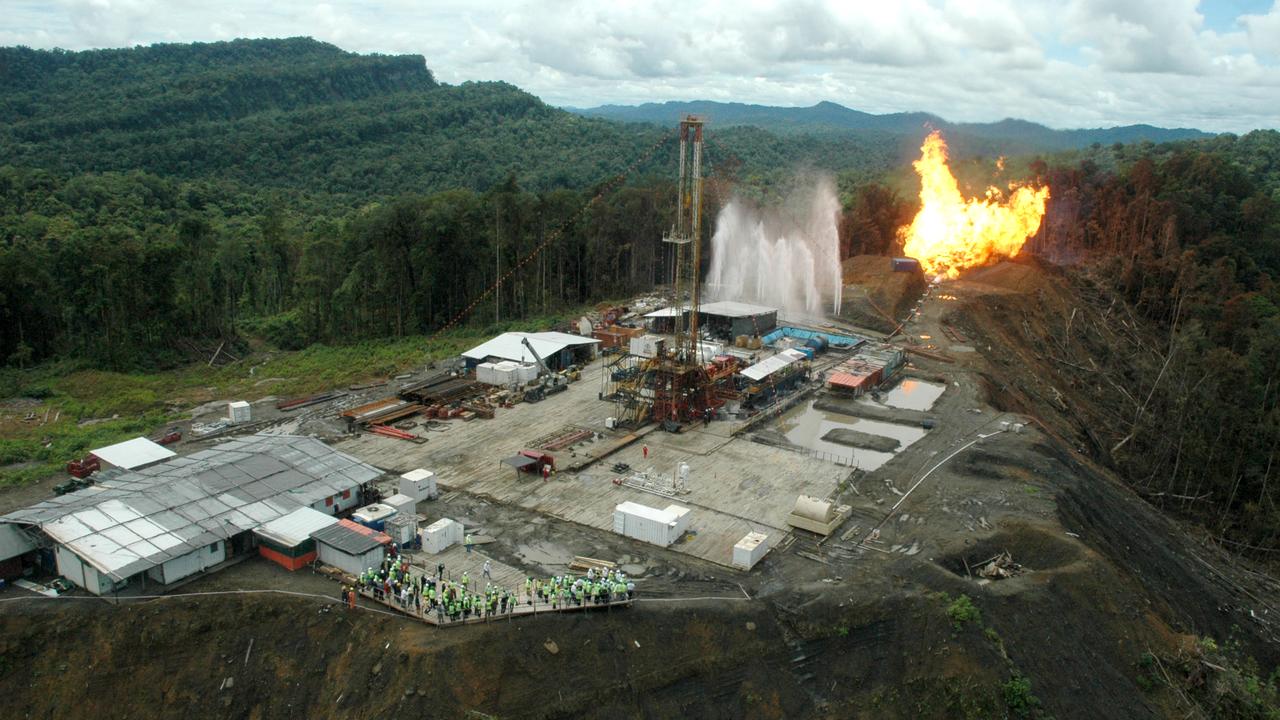
A final decision on a long-delayed $20 billion gas project in Papua New Guinea will be made by the end of the year, one of the companies involved in the massive venture says.
Oil and gas group Santos has partnered with multinational energy giants TotalEnergies and ExxonMobil on the Papua LNG project to develop two onshore gas fields, 360km northwest of the capital Port Moresby.
Papua LNG would be the country’s second operational LNG project.
The first went into production in 2014 and has provided some economic benefits, although predictions that it would double PNG’s gross national product proved vastly overstated.
TotalEnergies has been engaging with the community about the Papua LNG project through a development forum, which is the last major stage in the governmental approval process, Santos chief executive Kevin Gallagher told an earnings briefing on Wednesday.
“There was a stall after a few weeks when it first got up and going. There were some challenges … those challenges were resolved, and the forum went back to operational two or three weeks back,” he said.
“Our understanding is it’s going to plan. All the feedback is very positive.”
The forum should conclude around the end of September, and a final investment decision should be made on whether to move forward with the project in the fourth quarter, Mr Gallagher said.
Papua LNG would develop the Elk-Antelope gas fields, which hold more than one billion barrels of oil equivalent.
The gas field was first discovered in 2006, but its development has been bogged down by various controversies.
Nearly 30 major commercial banks and export credit agencies have ruled out financing the project due to environmental, climate and human rights concerns.
Santos said more than 60 per cent of the financing for Papua LNG was in place.
The Adelaide-based company has also been moving forward with two other oil projects, its Barossa project in the Timor Sea and its Pikka project in Alaska.
The Barossa project, located 285km north-northwest of Darwin, went into operation in October and has produced enough gas to load 12 LNG cargoes since the start of 2026, while Pikka shipped its first cargo of oil last week.
Santos produced 45.6 million barrels of oil or oil equivalent in the six months to June 30, up three per cent from a year ago.
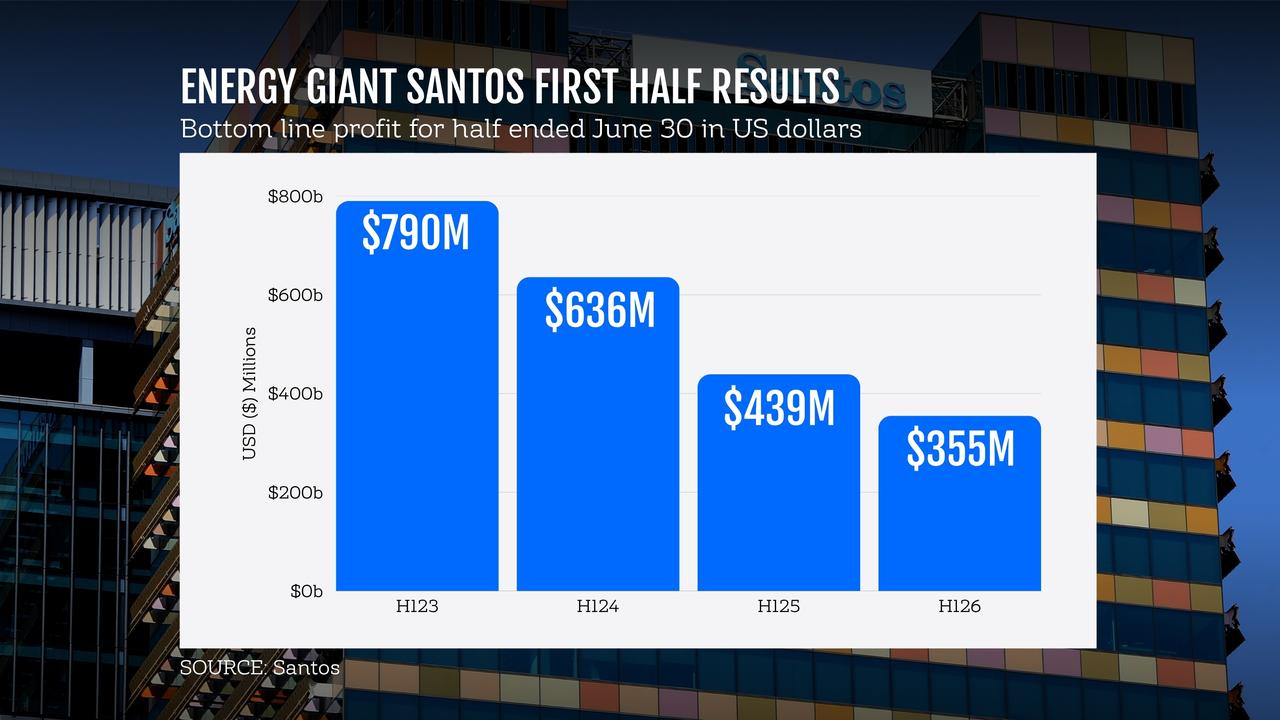
The company on Wednesday reported a first-half net profit of $US355 million ($A501 million), down 19 per cent from the same time a year ago.
The result was driven by a lift in revenue to $US2.6 billion ($A3.7 billion), leaving Santos to pay its shareholders an interim dividend of 11.6 US cents per share.
In early afternoon trading on Wednesday, Santos shares were up almost three per cent to $8.33.
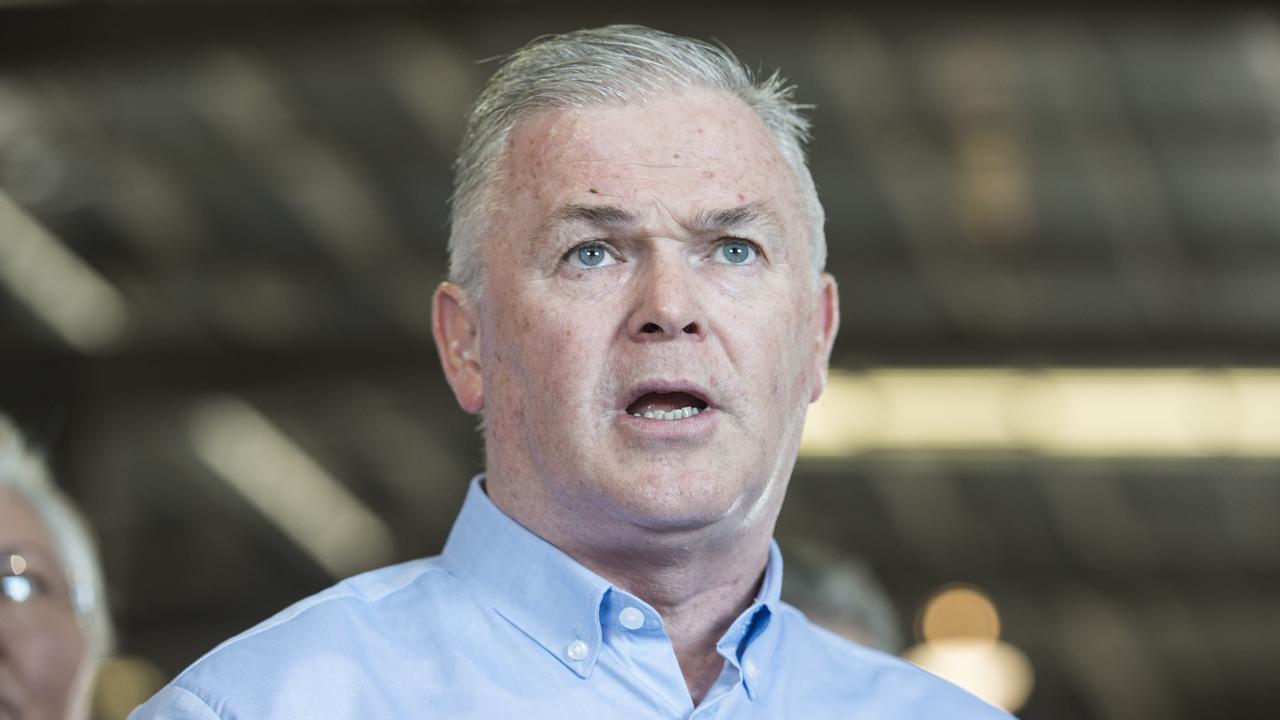
Mr Gallagher also rejected suggestions Australia had a gas supply crisis, saying the federal government’s own figures showed the current supply was adequate through to 2029.
“That does not mean there will be a gas shortage. It just means we have to invest in developing new gas supply sources now,” he said.
“What we need is confidence to invest and bring that resource to market reliably and competitively when Australia needs it. Policy settings need to support that investment, not discourage it.”

Australian Associated Press is the beating heart of Australian news. AAP is Australia’s only independent national newswire and has been delivering accurate, reliable and fast news content to the media industry, government and corporate sector for 85 years. We keep Australia informed.