A “cutting-edge” method will study the impact of blast exposure on the brains of Australian defence force personnel to better protect their health.
A new partnership between the Australian army and Monash University will research the effects of repeated low-level blast exposure.
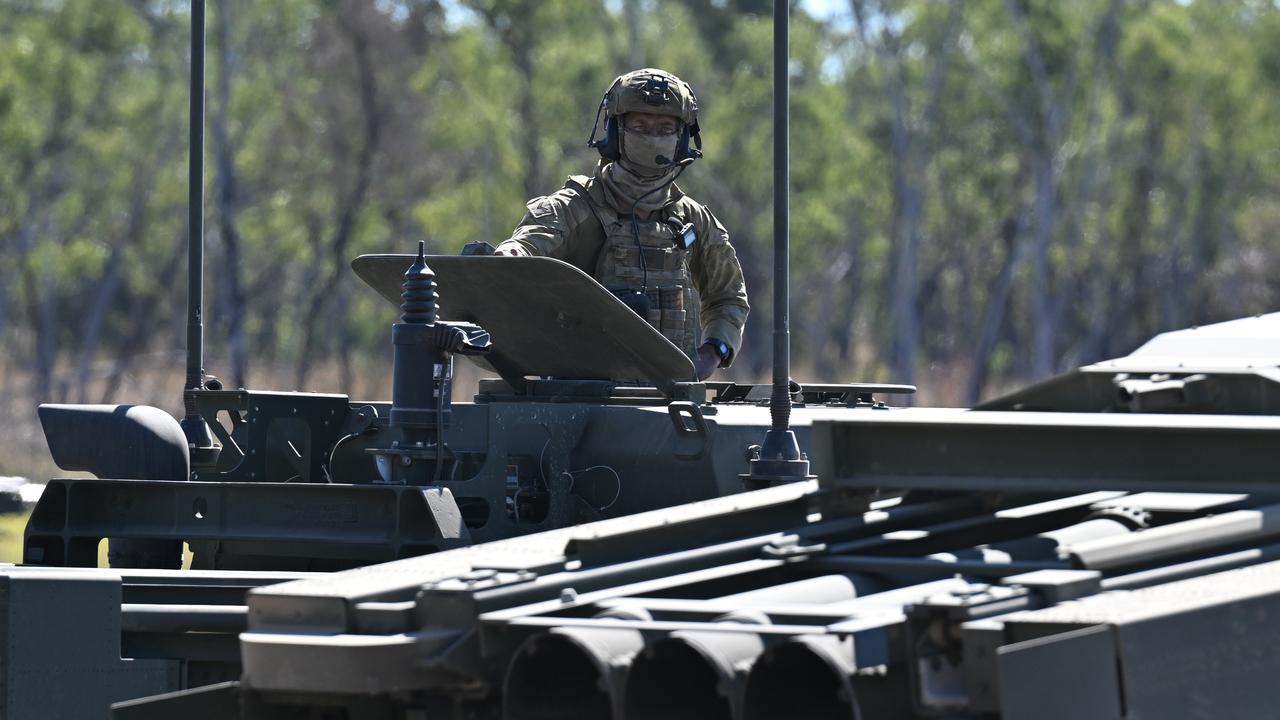
The study for the first time will cross-reference blast pressure readings from gauges on soldiers’ helmets with blood and neurological tests taken within 24 hours of exposure to a blast, such as small arms fire.
Combining the readings means researchers will be able to determine the effect of pressure resulting from the blast in real time.
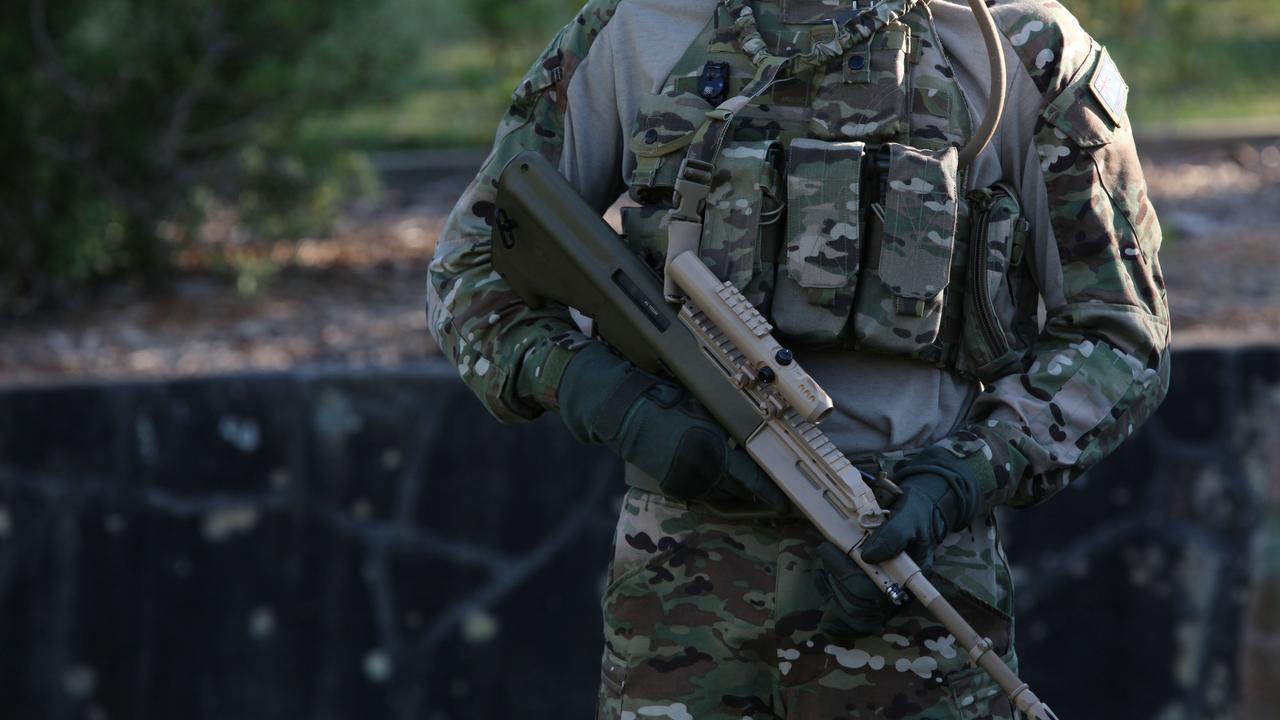
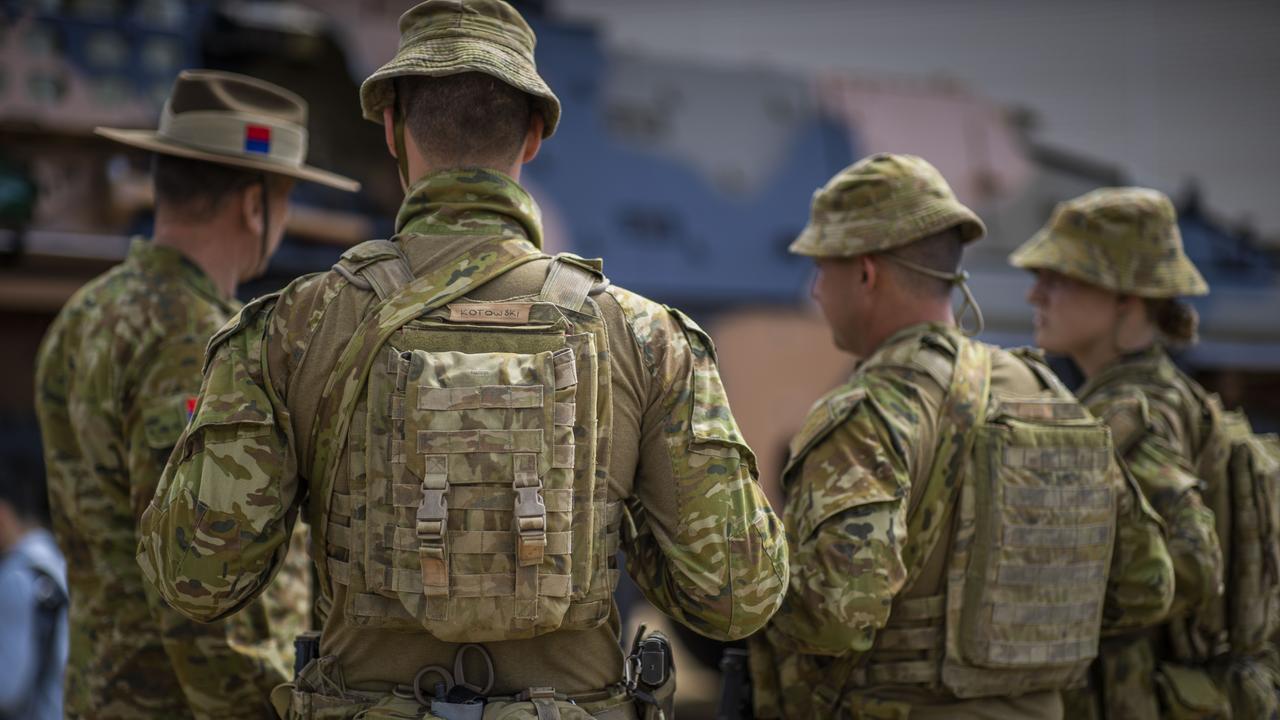
Up to 400 defence force personnel taking part in routine training will participate in the study over the next four years, which will monitor them for up to three years.
While there’s a greater understanding of the effects of high-level blasts, the study will look at the lesser known effects from low-level blast exposure from explosions and weapons.
The project, planned to conclude in 2029, responds to a recommendation made by the Royal Commission into Defence and Veteran Suicide to set up a brain injury program.
The study is being undertaken within Townsville’s 3rd Brigade, with plans to expand the program to the 1st Brigade – primarily based in the Northern Territory – and potentially to the navy and air force in 2027.
The government had been investing in research to better understand the complex nature of brain injury, Veterans’ Affairs Minister and Defence Personnel Minister Matt Keogh said.
“The health, safety and wellbeing of current and former serving Defence Force personnel is my highest priority,” he said.
“The partnership with Monash’s brain injury experts will improve our understanding of how low-level blast pressure can impact ADF personnel over the course of their career and help reduce unnecessary exposure wherever possible.”
Monash Trauma Group principal investigator Sandy Shultz said there had been little research on brain injury as a result of low-level blast exposure.
“The knowledge gained from this research will help inform policy and guidelines around what thresholds can result in a brain injury and when ADF personnel should be removed from further exposure,” Professor Shultz said.
Army neurologist Lieutenant Colonel Antony Sutherland, also a member of the study team, said the project is an important step forward in building the evidence needed to strengthen health protection.
“Our goal is to turn cutting-edge science into practical tools that support our people and Defence decision-making,” he said.
“By measuring blast exposure alongside changes in brain function and biology, we aim to improve how military organisations monitor and protect personnel throughout their careers.”

Australian Associated Press is the beating heart of Australian news. AAP is Australia’s only independent national newswire and has been delivering accurate, reliable and fast news content to the media industry, government and corporate sector for 85 years. We keep Australia informed.