
More people are expected to be helped off welfare and into work under the biggest overhaul of employment services in 30 years, but advocates argue the changes are simply more of the same.
More than one million Australians – many of them on programs such as JobSeeker – are required to get professional help finding a job and face losing their welfare payment if they don’t meet requirements known as mutual obligations.
Workplace Minister Amanda Rishworth outlined the first steps towards reforming incentives for privately owned employment services providers, aimed at tackling claims the system is unfair and punitive.
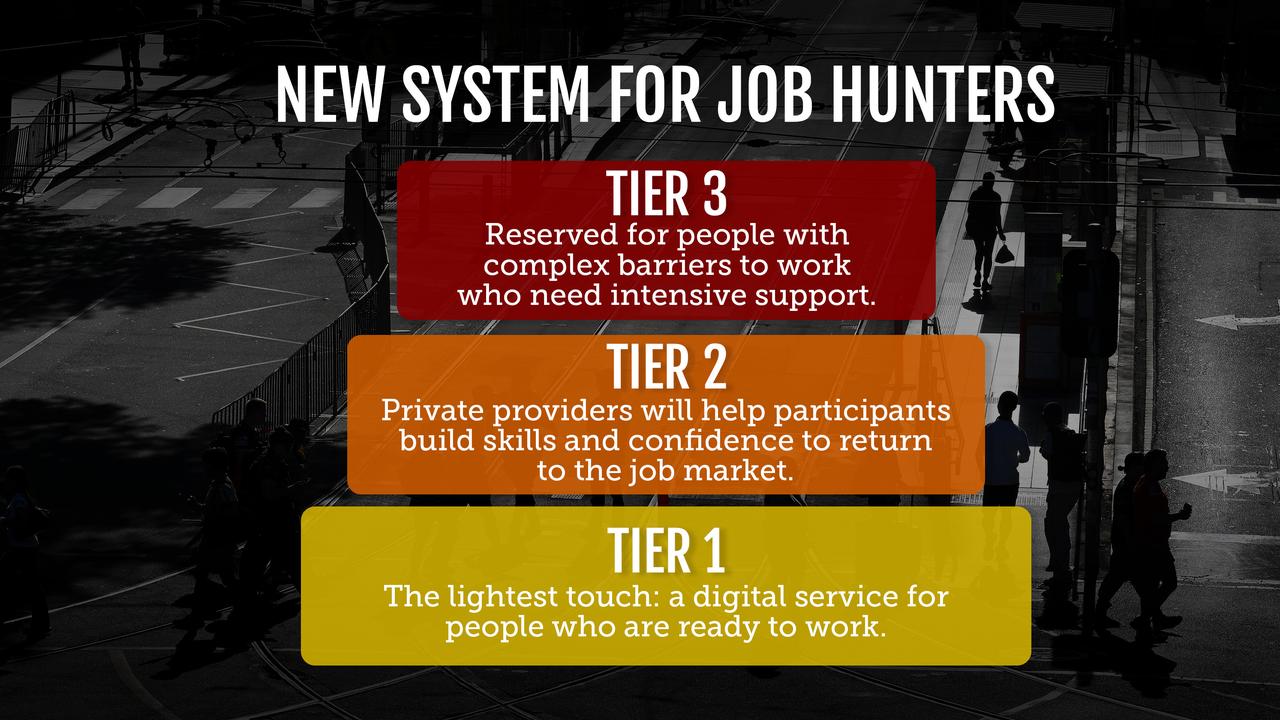
A one-size-fits-all system will be split into three streams, with different obligations for each, to try and ensure people are matched with the level of support they need.
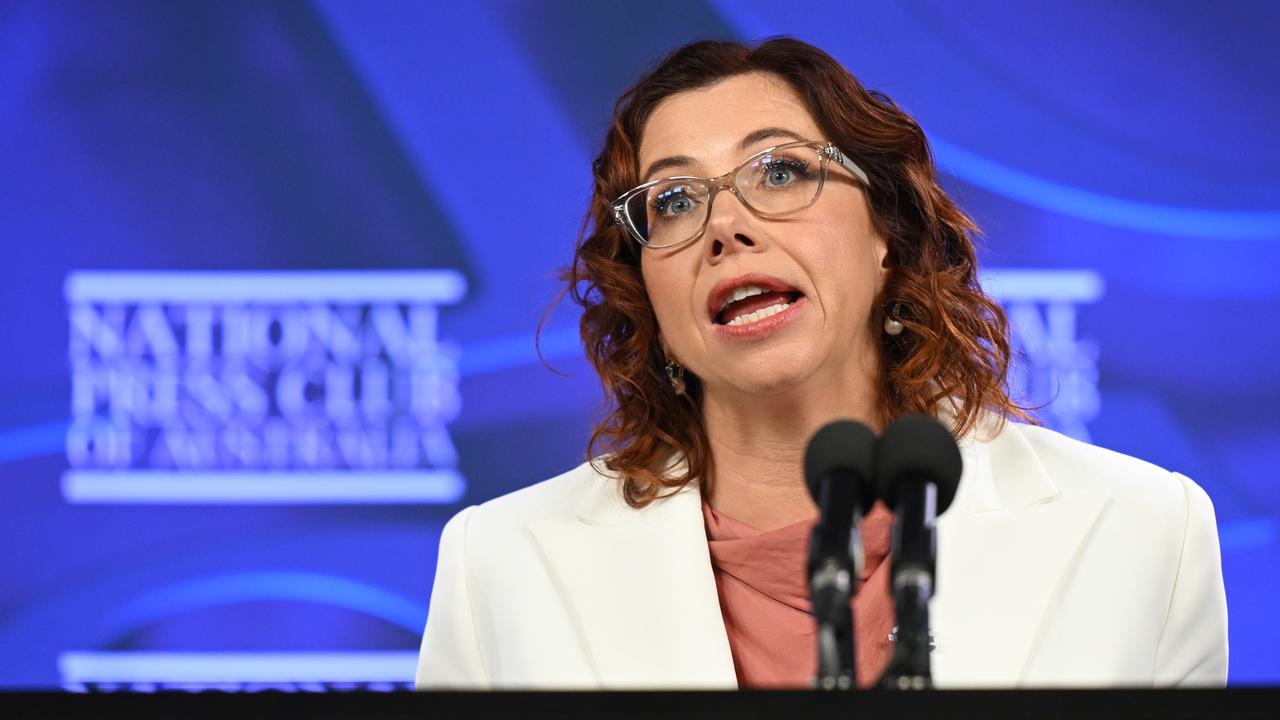
“Too many people in the caseload fall through the cracks,” Ms Rishworth told the National Press Club on Wednesday.
“Even where people are being placed into work, the incentive structure for providers often means there is not enough regard as to whether the job is suitable, which often leads to poor job fit.
“Poor job fit often leads to poor outcomes for the participant and for the employer.”
Service stream one will be the lightest touch: a digital service for people who are ready to work.
Under service stream two, private providers will help participants build skills and confidence to return to the job market.
Service stream three is reserved for people with complex barriers to work who need intensive support.
Outlining the changes to mutual obligations, Ms Rishworth said while there was a social expectation that people on welfare search for a job, the requirements could be more targeted.
“It may be for some people that job search and putting in applications is the step in their journey that they are ready for,” she said.
“For others, it might be getting skills they need to actually participate in work. For others, it might be attending, for example, paid work experience, or participating in a social enterprise.”
Antipoverty Centre spokesman Jay Coonan slammed the changes, saying keeping mutual obligations denied any meaningful change.
“This is like living in Groundhog Day. You can’t punish people into employment in an economy designed to keep at least four per cent of us unemployed,” he said.
“It’s not a major overhaul if you keep ‘mutual’ obligations in place. That’s punishment as usual.”
Opposition employment spokeswoman Jane Hume said the changes were sensible, but warned against weakening mutual obligations.
“The coalition would be deeply concerned by any systematic weakening of participation requirements for the long-term unemployed, or a world where the long-term unemployed are put in the ‘too hard basket’ without a path to experiencing the dignity of work,” she said.

Greens senator Penny Allman-Payne said misery would continue for those in the employment system.
“These reforms aren’t a shake-up, they’re a screw-up,” she said.
The mutual obligations system has been roundly criticised, including by the Commonwealth ombudsman, which found the suspension of welfare payments for failing to meet jobseeking requirements may have been unlawful.
Ms Rishworth said the government had accepted all of the ombudsman’s recommendations and was seeking to address legal concerns by employing more people to boost human oversight of automated decisions.
The Community and Public Sector Union welcomed the changes, but said they didn’t go far enough.
The union’s national secretary Melissa Donnelly said outsourcing employment services had been a disaster for jobseekers.

Australian Associated Press is the beating heart of Australian news. AAP is Australia’s only independent national newswire and has been delivering accurate, reliable and fast news content to the media industry, government and corporate sector for 85 years. We keep Australia informed.