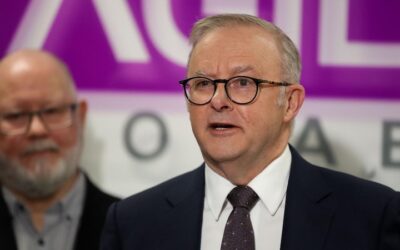
Developers will be blocked from building data centres near homes, schools or prime agricultural land as part of a national agreement with the states that the prime minister is struggling to land.
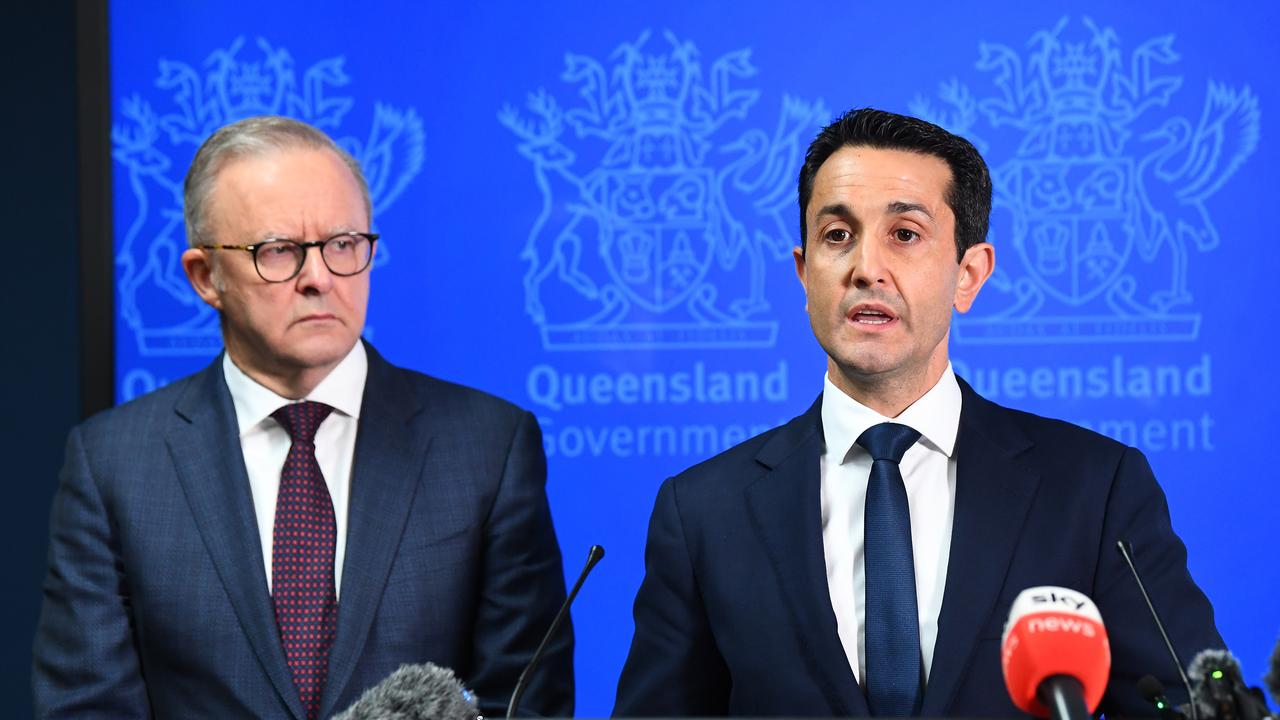
Anthony Albanese will detail further obligations for data centres in a speech to the Business Council of Australia annual dinner, ahead of a showdown with Queensland Premier David Crisafulli at national cabinet on Wednesday.
As well as requiring new data centres to add more renewable energy to the grid than they take out and to minimise water use, they will also have to lessen community impacts by being appropriate for their size and avoiding sites that could be used for housing instead.

That could put an end to proposals like one currently being planned in Macquarie Park in Sydney’s north, where developer NextDC is trying to build a data centre next door to a metro station.
The City of Ryde has strongly objected to the proposal, saying it would result in underutilisation of transport infrastructure and undermine attempts to reduce the housing shortfall.
In his speech, Mr Albanese will say Australia must harness the positive opportunities of AI while minimising the downsides.
“Australia is in a strong position to attract investment in data centres, but maintaining social licence will be essential,” he will say on Tuesday.
“That means ensuring energy bills do not rise, water security is maintained and locations are appropriate.
“Getting this right can ensure Australia is the infrastructure partner for our region, aided by our status as a Five Eyes partner.”
Mr Albanese has pledged to introduce mandatory requirements for AI and data centres in early 2027 and the meeting with state and territory leaders on Wednesday will be the next step to get national agreement on the standards.
But Mr Crisafulli will push back on the requirement for data centres to use renewable energy, arguing it would drive away investment and push up power bills.
The Queensland government is developing its own approach, which will allow data centres to use gas and coal power, as well as requiring them to provide a social impact assessment and sign agreements with local councils.
“We are technology agnostic. And by doing so, we will be able to bring on all forms of energy,” he told reporters on Monday.
Business Council chief executive Bran Black has welcomed the prime minister’s front-footed approach to AI.
In a separate speech to the Business Council dinner, Mr Black will argue Australia must not lag behind the rest of the world in adoption of AI and other innovative technologies.
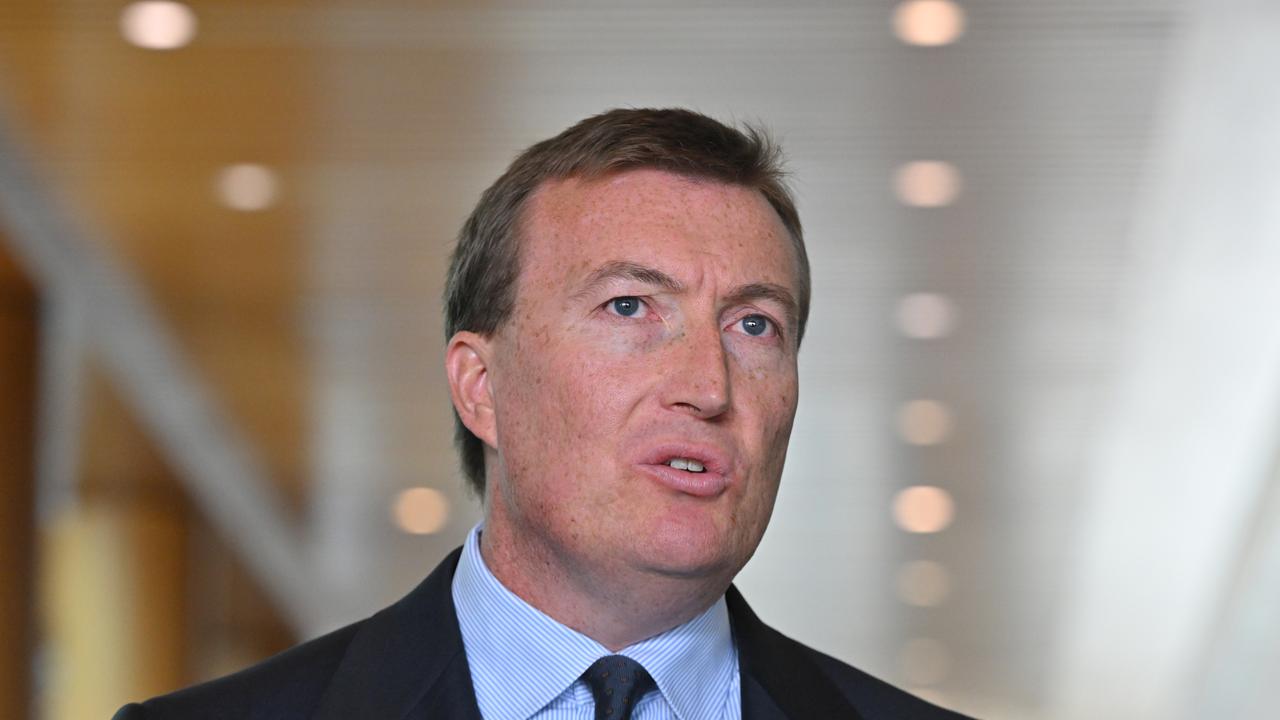
Tracking AI adoption will be part of a national roadmap he will unveil at the event to make Australia a top-10 investment destination and fix the nation’s falling productivity and living standards.
Mr Black will also voice the business community’s opposition to tax changes in the budget, and reiterate concerns about a “complex and out-of-balance” industrial relations system and excess regulation.
Businesses were encouraged to see Treasurer Jim Chalmers launch a new Productivity Commission review of reporting requirements on Monday.
The review, alongside Treasury’s release of a consultation paper on climate-related financial disclosures, was a “positive step towards reducing unnecessary compliance costs and red tape,” said Australian Chamber of Commerce and Industry chief executive Andrew McKellar.

Australian Associated Press is the beating heart of Australian news. AAP is Australia’s only independent national newswire and has been delivering accurate, reliable and fast news content to the media industry, government and corporate sector for 85 years. We keep Australia informed.