As the low notes of the yidaki – the traditional Yolngu didgeridoo – roll out across the red dust, thousands of people crowd shoulder-to-shoulder around the remote arena.
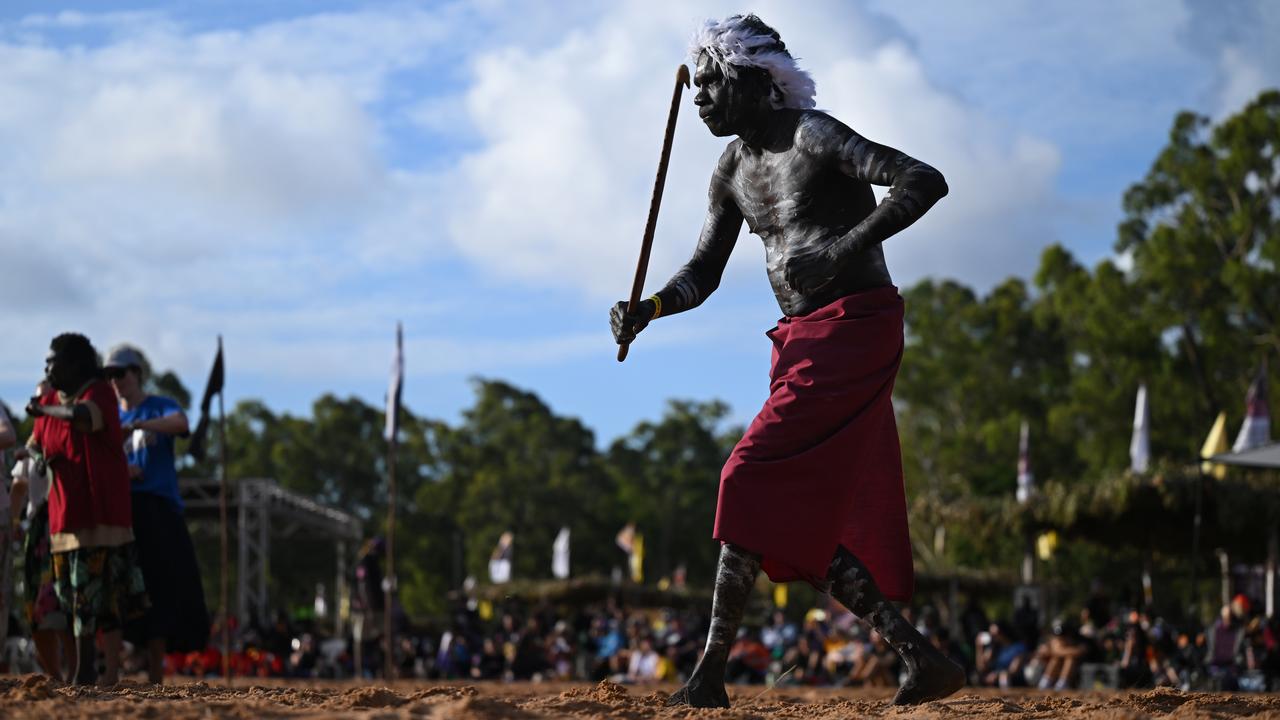
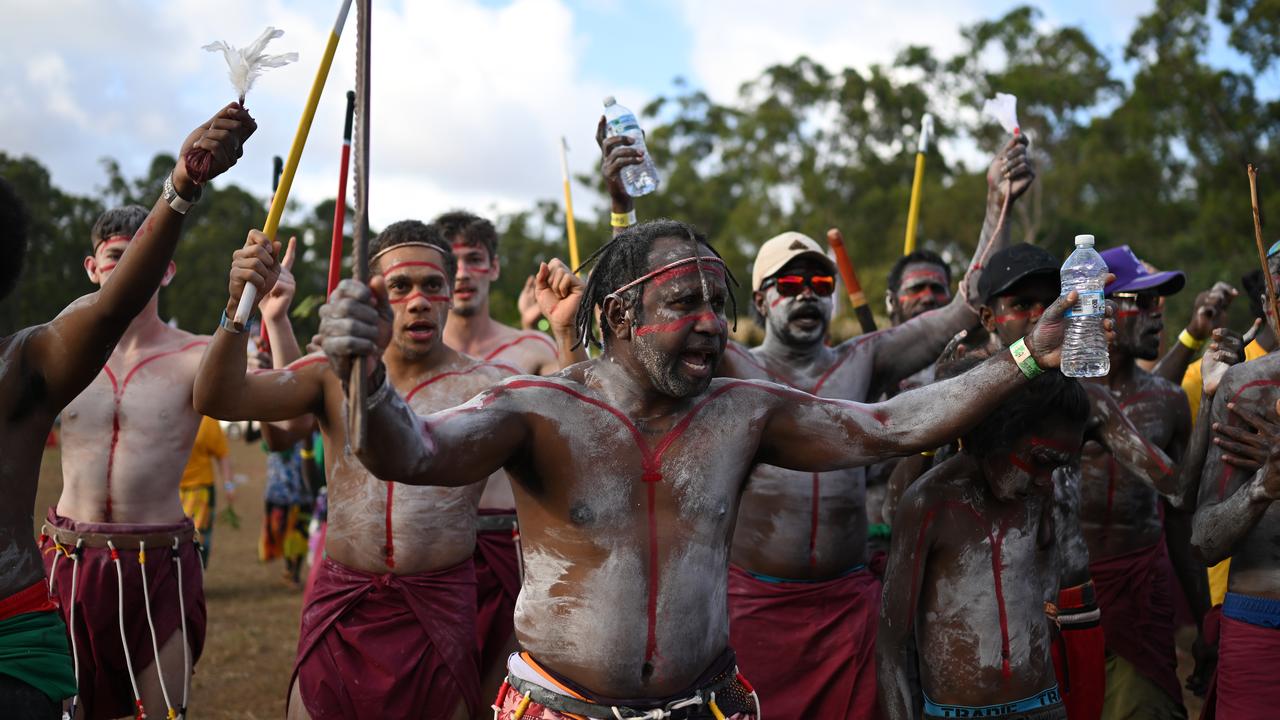
Under a bruised-purple sunset, painted dancers from 13 clans explode onto the traditional ceremonial – or bungul – ground in wild streaks of ochre and white clay.
Backed by the sharp crack of bilma clapsticks, the official opening ceremony of the 2026 Garma Festival – Australia’s largest Indigenous cultural gathering – officially began on Friday.
The four-day celebration of Yolngu life and culture is being held at the Gulkula ceremonial site, about 40km from Nhulunbuy on the Gove Peninsula.
The crowd broke into cheers as lines of children and teenagers joined the elders in the dance, some of the braver visitors stepping forward to mirror the movements.
They were welcomed in by clan leaders as the opening ceremony turned the arena into a living map of songlines and kinship.
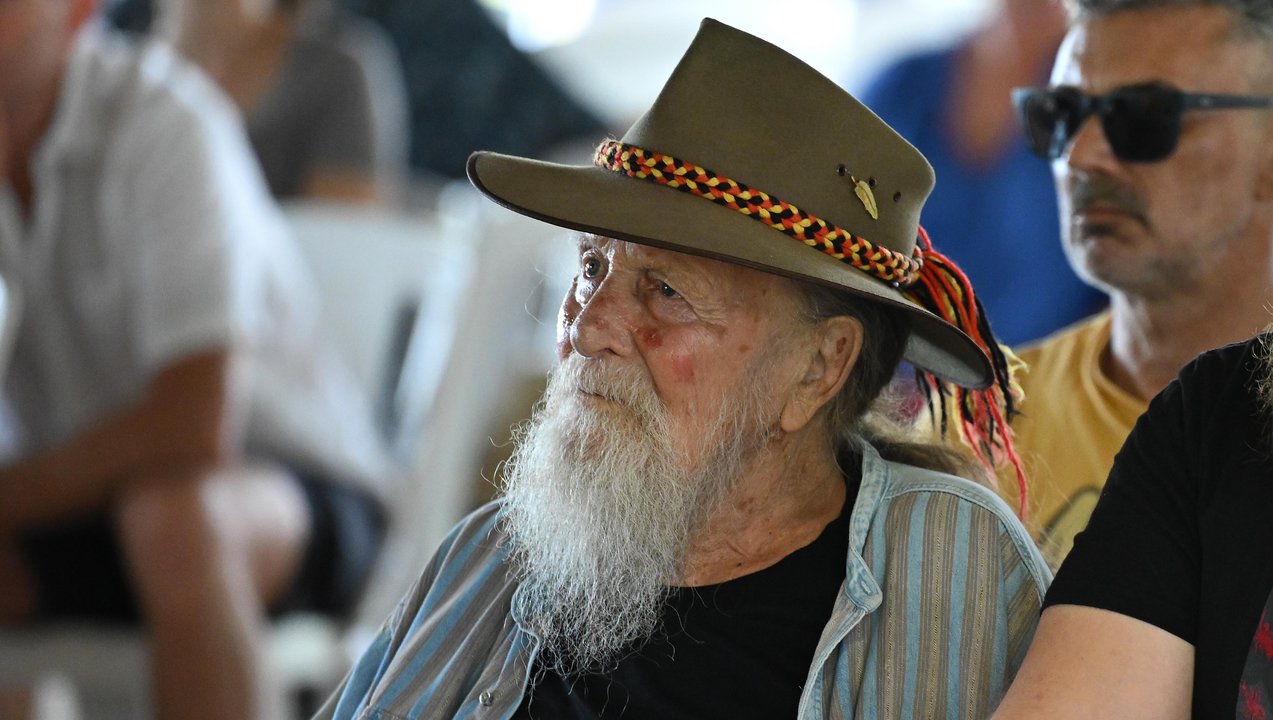
The familiar gravelly voice of Australian screen legend Jack Thompson drifted across the venue, reminding the crowd that Garma was, at its heart, about resolving differences and sharing knowledge across cultures and generations.
A festival ambassador and adopted member of the host community in northeast Arnhem Land, Mr Thompson spoke of the power of coming together and the festival’s Yolngu theme “Bukmak” – all of us, everyone, together.
“We can only navigate our uncertain future if we embrace the concept of Bukmak, we can ensure a meaningful future for ourselves and our children,” he told the crowd.
“Separately, our focus and our energy is scattered.”
He paid tribute not to individual heroes but to the collective resilience that had held Yolngu culture together for thousands of years.
The strength of the place, he said, lies not in a few significant names but in the shared commitment of everyone who returns to Garma each year – the custodians of Country, their families, and those who come to listen.
As the opening ceremony unfolded, his words framed the festival as both a celebration and a challenge: to honour tradition while walking forward, side by side.
The festival framed a blunt message to governments from National Commissioner for Aboriginal and Torres Strait Islander Children and Young People, Sue-Anne Hunter.
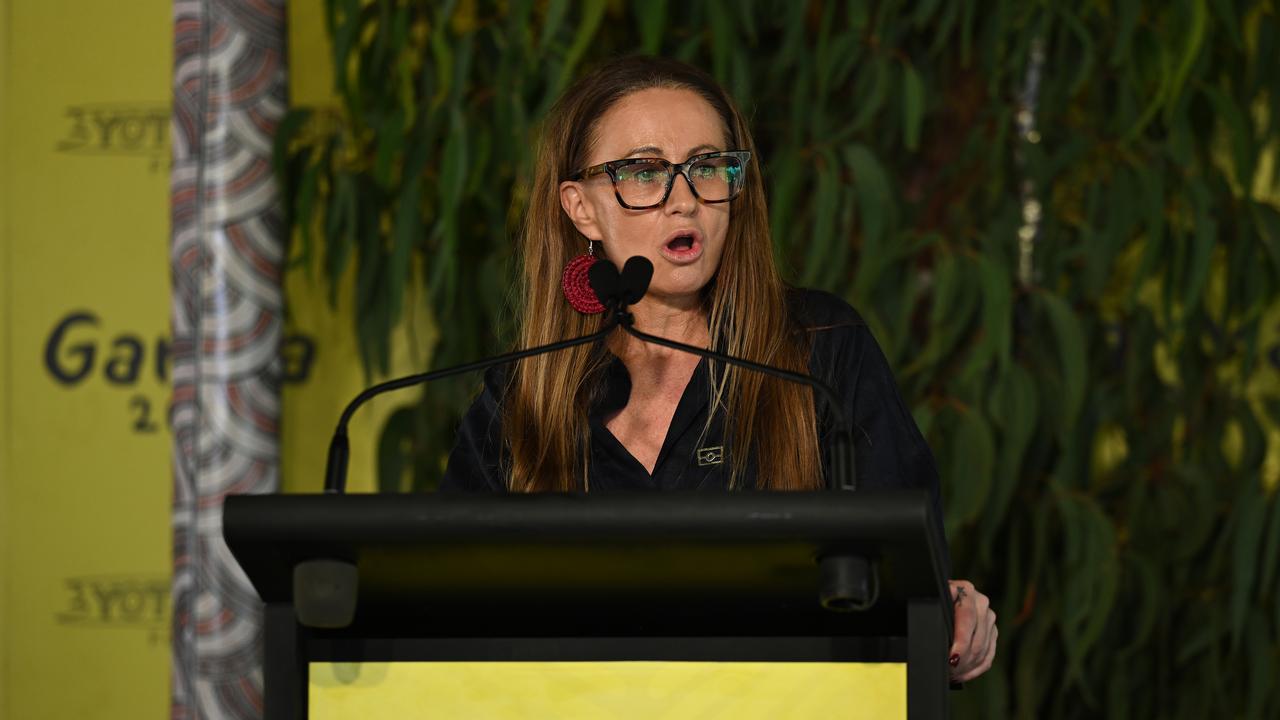
Ms Hunter told the crowd the future being debated at Garma belongs, first and foremost, to the children.
“Every conversation we have here at Garma about the future is really a conversation about our children,” she said.
“If our answer does not include every child, it is not the answer.”
A Wurundjeri and Ngurai Illum Wurrung woman, Ms Hunter’s appointment as the first permanent, independent national commissioner was announced at Garma in 2025 and is now protected in law.
She said her job was to listen to children, carry their voices into decision-making rooms and hold systems to account when they fail.
“The problem has never been our children.
“The problem is that we keep building systems that are not yet worthy of them.
“The question is not whether our children can rise to meet the system; it is whether the system can rise to meet our children.”
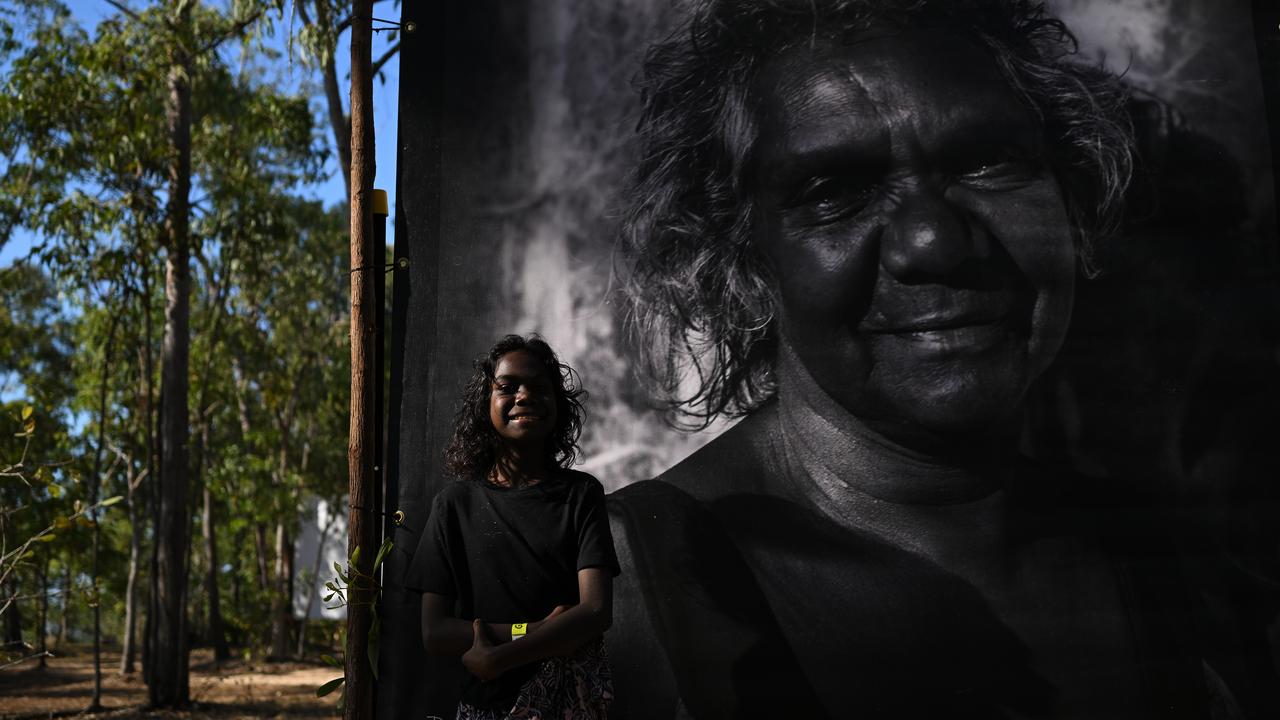
Ms Hunter said First Nations children were learning “in two worlds”, carrying language, kinship, ceremony and Country in one hand, and classrooms and exams in the other.
She said too often schools demanded children put one down to pick up the other.
“A child learns best when their culture walks in the door with them and is treated as an asset, not a problem to be managed,.” Ms Hunter said.
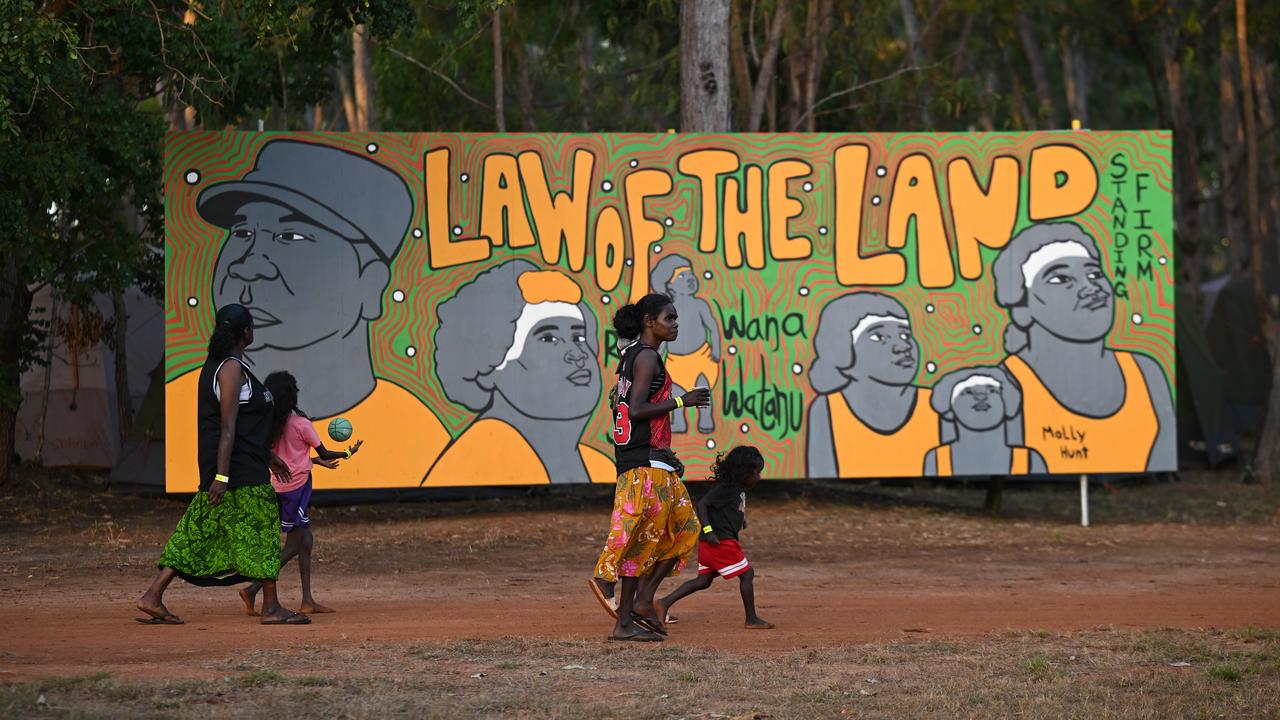
The festival will feature a youth forum which brings together eight to 18-year-olds from visiting schools and local communities.
Cultural workshops will teach language, kinship, weaving, spear-making, yidaki and on-Country learning.
This year Bluey goes bush for the event, with five episodes of the hit children’s show translated into Yolngu Matha and screened at Garma Cinema.

Australian Associated Press is the beating heart of Australian news. AAP is Australia’s only independent national newswire and has been delivering accurate, reliable and fast news content to the media industry, government and corporate sector for 85 years. We keep Australia informed.