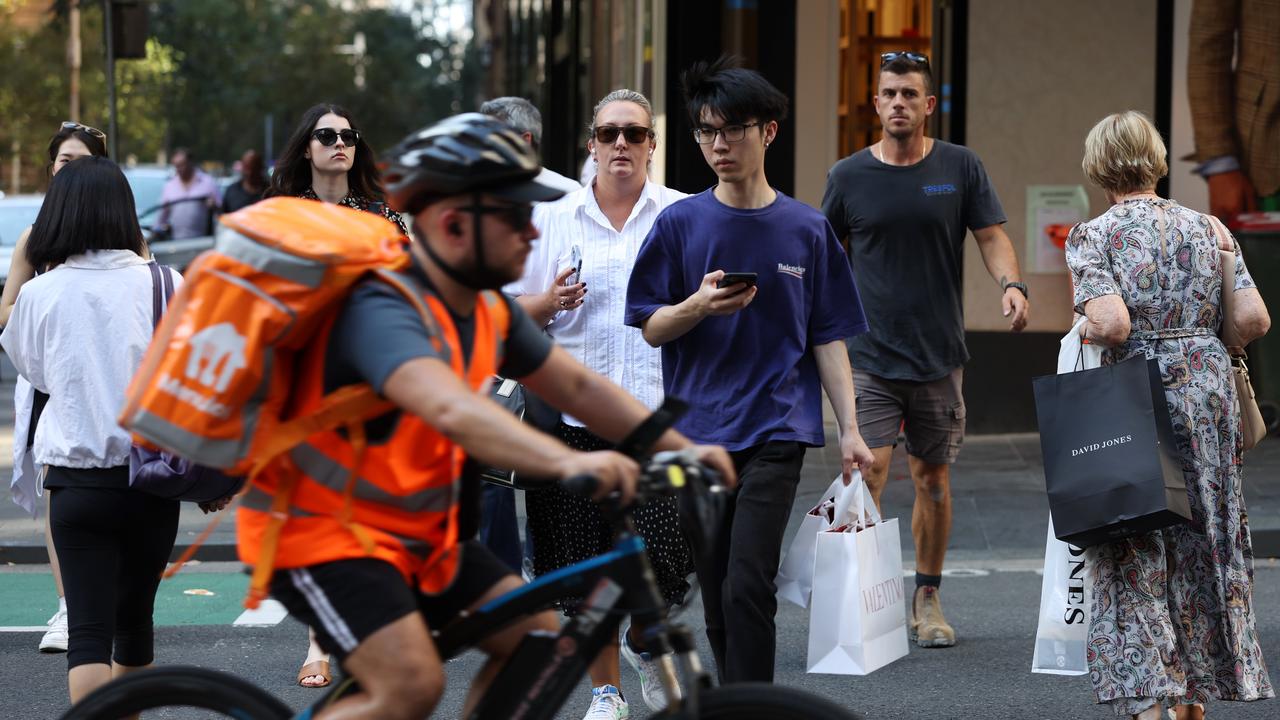
Australia’s resilient labour market continues to be a bright spot in the nation’s economy.
But despite the addition of more than 76,000 jobs in June, dark clouds are gathering on the horizon.
After the Australian Bureau of Statistics released another strong labour force report on Thursday, bonds traders ratcheted up expectations that the Reserve Bank will raise interest rates for a fourth time in 2026.
The market is now full priced in for a rate hike by Christmas. A few weeks ago it was a 50-50 bet.
The resurgence in rate fears is not all down to domestic factors.
Renewed hostilities in the Middle East have sent oil prices rising again and threaten to add fresh inflationary pressures to the economy.
While June quarter inflation data next week will be crucial to the RBA’s next rates decision in August, the figures could already be dated by the time they are released.
Brent crude oil prices have risen from $US72 a barrel to more than $US96 a barrel in recent weeks.
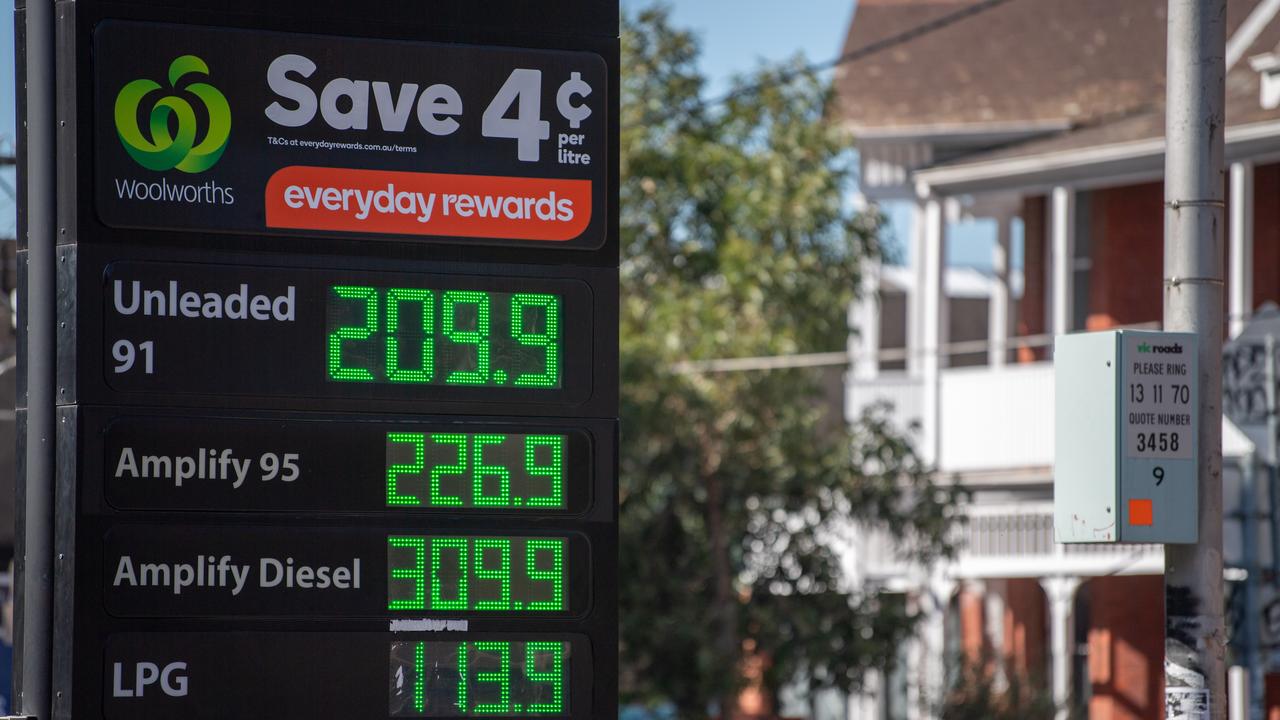
As a rule of thumb, each dollar higher the benchmark oil price results in about a cent per litre increase in petrol prices at the bowser.
Along with an extra 16c a litre added to fuel prices from August 2 as a result of the full resumption of the federal excise, commuters could soon be looking at petrol prices above $2 a litre once more.
Australians might have to become accustomed to higher fuel prices sticking around, said economists at National Australia Bank.
“Recent developments in the Middle East show that the cost shock looks set to be less of a one-off spike and instead something that proves more grinding and protracted,” they said in a research note.
Although jobs growth has remained robust, at 4.4 per cent the unemployment rate is higher than the RBA’s June quarter forecast of 4.2 per cent, implying that the labour market is weaker than had been expected.
While higher oil prices risk pushing inflation higher, they also pose risks for growth, said Commonwealth Bank head of Australian economics Belinda Allen.
Victoria’s economy is leading the way down, where the state’s unemployment rate climbed to 5.1 per cent.
“That’s a warning sign that both the Allan and Albanese governments are failing to create the economic conditions businesses need to invest, grow and create jobs,” said federal opposition employment spokesperson Jane Hume.

Australian Associated Press is the beating heart of Australian news. AAP is Australia’s only independent national newswire and has been delivering accurate, reliable and fast news content to the media industry, government and corporate sector for 85 years. We keep Australia informed.