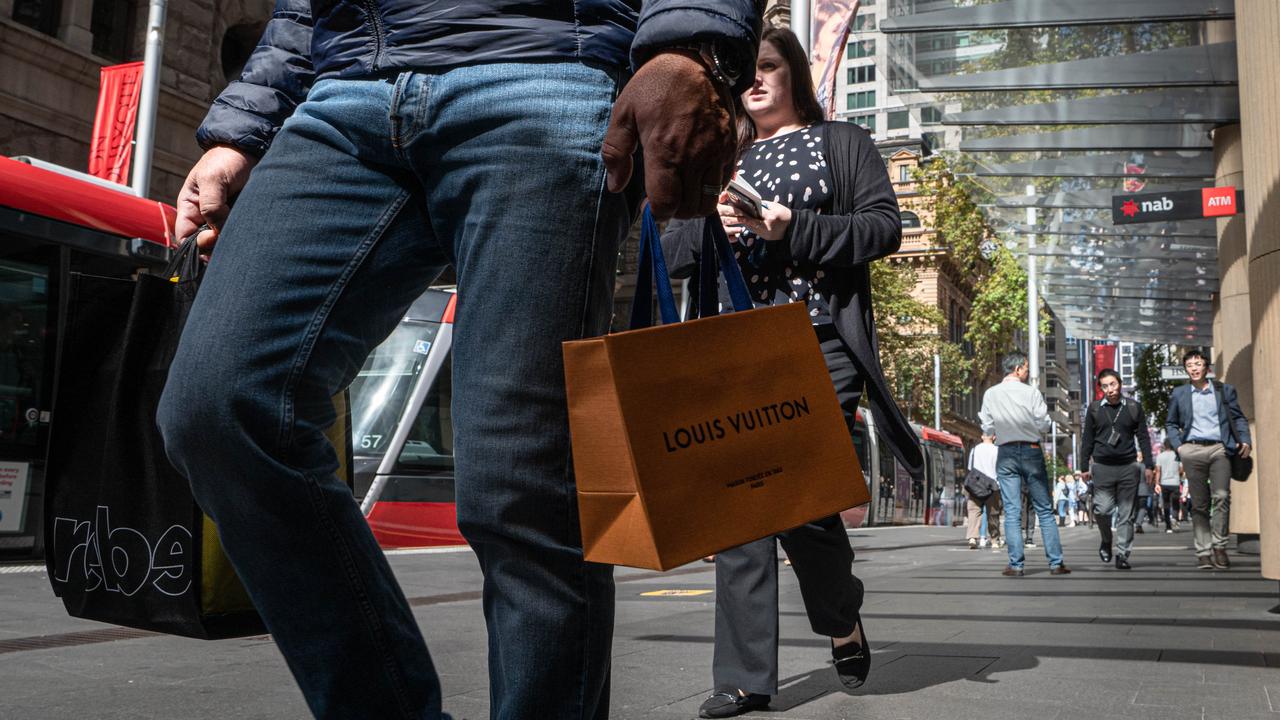
Australia consumers are set for their monthly check-in amid a stint of below-average confidence.
Sentiment tanked as petrol prices shot up in the early phases of the Middle East conflict, as captured in Westpac-Melbourne Institute surveys released every four weeks.
The July edition, slated for Tuesday, will come as consumers remain stubbornly pessimistic despite moderating prices at the pump.
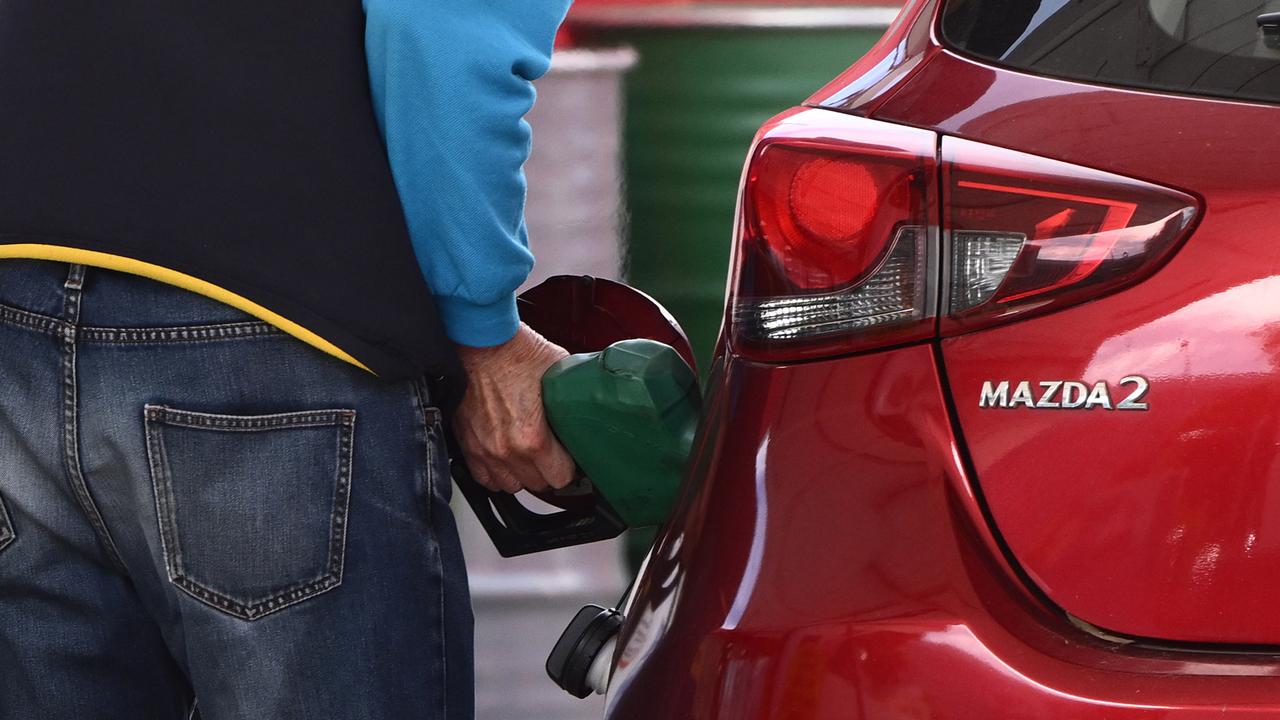
Motorists are now paying roughly $1.60 a litre, well below the $2 a litre or more typically forked out in March and April.
Notwithstanding the significant flare-up in hostilities between the US and Iran, the energy crisis has shown some resilience, with oil volumes continuing to move through the Strait of Hormuz at around 20 per cent of pre-war levels alongside alternative pipeline diversions.
The latest round of strikes has kept oil volatile but generally holding within a range of between US$70 and US$90 a barrel.
AMP economist My Bui said the US-Iran conflict had come to resemble the tariff saga of 2025, with markets becoming accustomed to repeated escalations and back downs.
“Prices are unlikely to push too far above US$90 a barrel, as higher fuel prices would create political pressure for the Republicans, likely prompting another Trump pullback as we saw in May,” she wrote in a note.
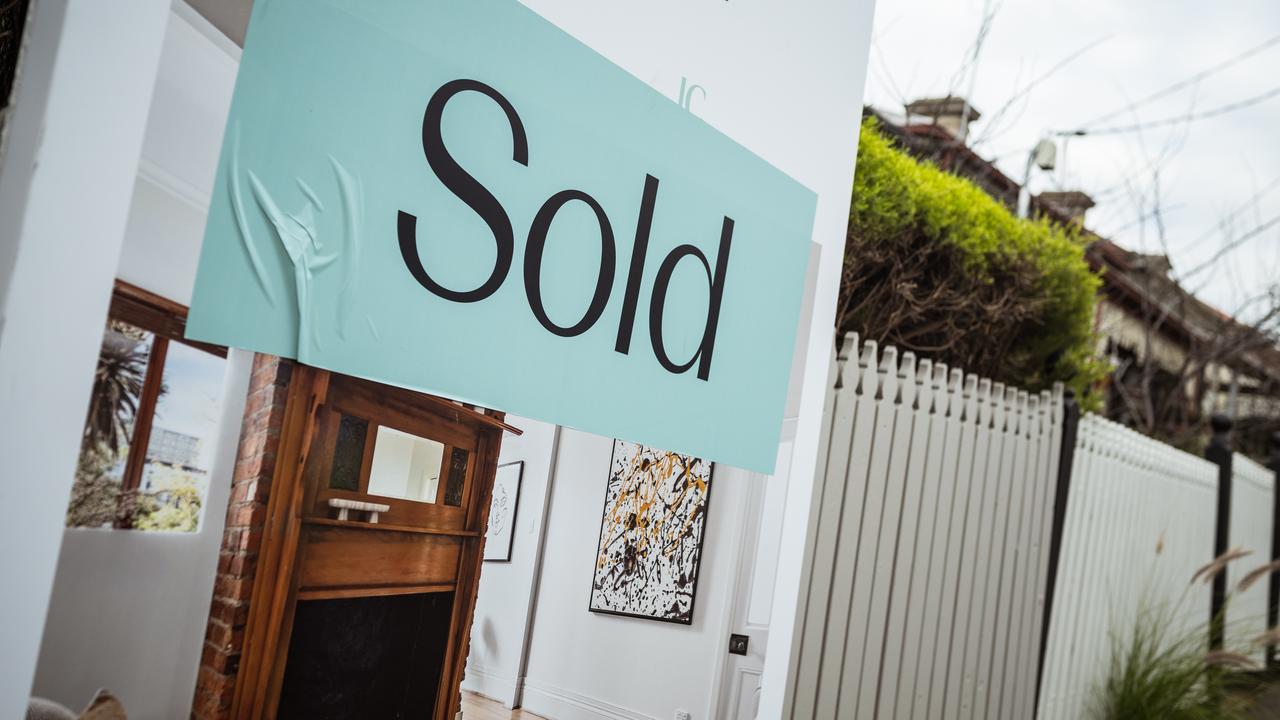
Beyond petrol, consumers are weighing broader pressures: still-elevated domestic core inflation, a weakening housing market and stalled productivity growth.
At the same time, the jobs market remains historically tight.
Consumer confidence can indicate a readiness to spend, with weaker sentiment typically front-running slower economic growth and less inflationary pressure.
In a week otherwise bereft of major economic data releases and Reserve Bank of Australia communications, National Australia Bank’s business survey will be another stand-out.
Also expected on Tuesday, sentiment has been trending lower as businesses respond to both the Middle East conflict and federal government policies unveiled in the May budget unfavourably.
Wall Street investors are meanwhile somewhat distracted by optimism around memory-chip makers and in anticipation of quarterly earnings season.
Eight of the 11 S&P 500 sector indexes rose on Friday, led by information technology, up 1.65 per cent, followed by a 1.46 per cent gain in consumer discretionary.
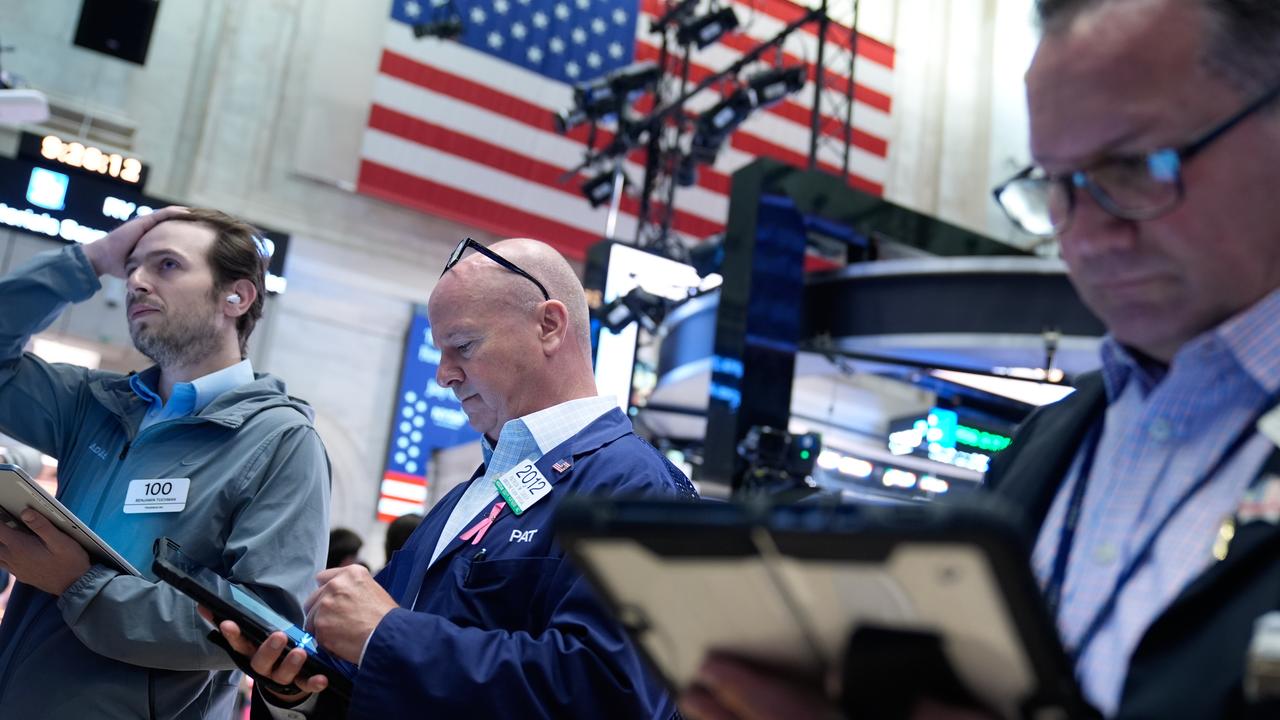
The Nasdaq gained 0.29 per cent to 26,281.61 points while the Dow Jones Industrial Average rose 0.29 per cent to 52,637.01 points.
Australian share futures climbed 43 points, or 0.49 per cent, to 7,073.
The S&P/ASX200 rose 43.5 points on Friday, up 0.5 per cent to 8,806, as the broader All Ordinaries advanced 42.4 points, or 0.47 per cent, to 9,003.7.

Australian Associated Press is the beating heart of Australian news. AAP is Australia’s only independent national newswire and has been delivering accurate, reliable and fast news content to the media industry, government and corporate sector for 85 years. We keep Australia informed.